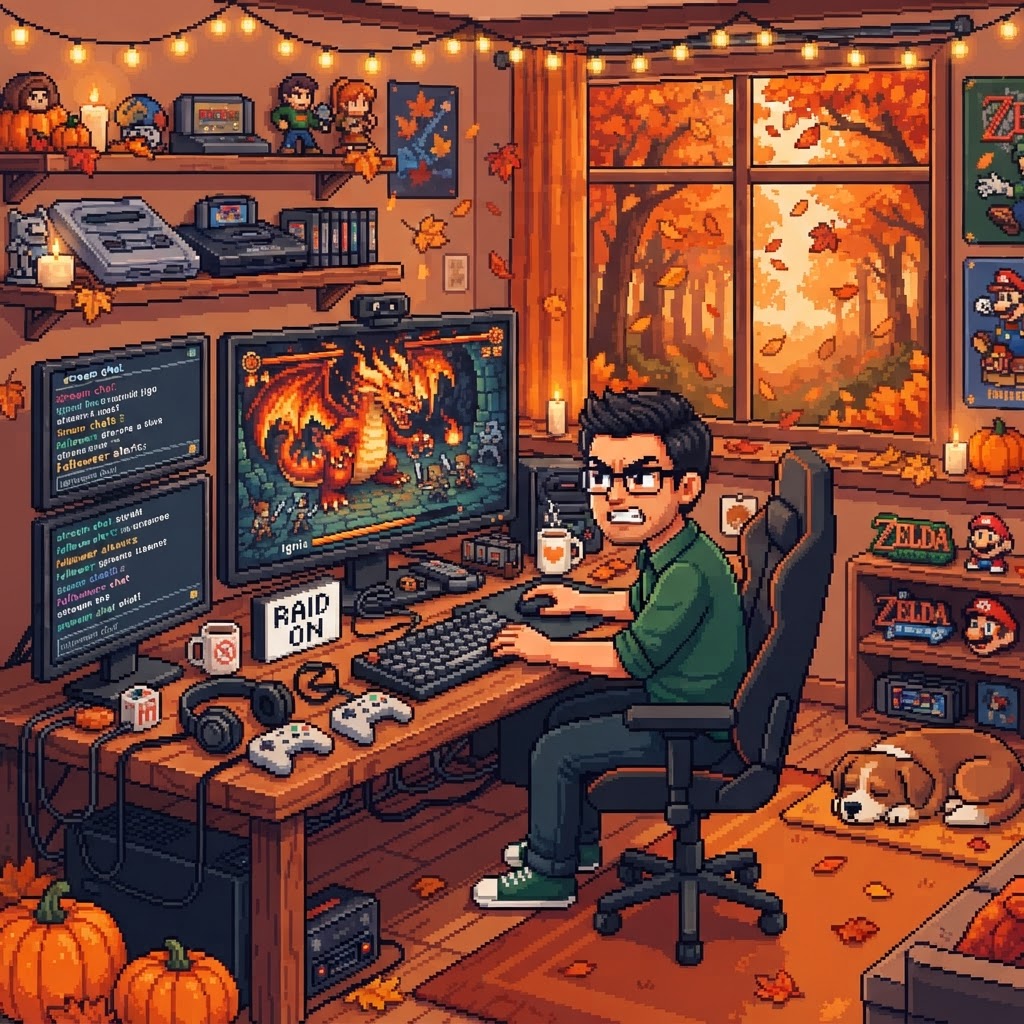
A Brand Manager’s First Day Inside a Gaming Raid
A skeptical marketing director trades quiet dashboards for the live roar of a gaming raid, watching viewers jump from 1.2k to 15.4k and chat spike to 2,400 messages per minute. This day-in-the-life walkthrough shows how real-time community energy turns sterile metrics into human moments sponsors can feel.
A Brand Manager’s First Day Inside a Gaming Raid
I opened the dashboard at 9:02 a.m., spreadsheets and tracking pixels humming, while the calendar in my browser flashed "Raid in 30 minutes." My day looked like any other: CPMs, viewability, conversion funnels, and the usual comfort of tidy columns. I had signed off on influencer collaborations before, but a coordinated gaming raid felt like stepping into someone else’s language.
Morning: dashboards, assumptions, and a coffee
I read the brief again. There were clear KPIs, a promo code to activate during a two-hour prime window, and the campaign name on the top line: Fall in Love with Gaming. The plan felt familiar, but I was skeptical about impact beyond vanity metrics. Could a spontaneous, community-driven surge actually move measurable performance? Could we control it the way an A/B test would? I made my coffee, set up two monitors, and opened the metrics I trusted.
By 10:15 a.m., the pre-raid briefing started. Streamers, the platform rep, creative leads, and the influencer agency logged in to walk through timing, deliverables, and safety checks. The lead moderator asked us to be ready when the raid button dropped. I nodded, partly to appear confident, partly to hide a pulse I hadn’t expected.
Pre-raid: backstage, community rituals, and choreography
What I had pictured as a scripted plug looked nothing like that. The streamers rehearsed timing like a tight stage crew. Channels agreed on a sequence: a 10-minute warm-up, five-minute hype push, and the raid itself. The team shared talking points, the promo code, and a short URL. The language wasn’t corporate-speak, it was shorthand: "call out the code when chat hits 5k, shoutout mods, cue the music, give a free drop." There was real choreography, but it was built to be authentic.
A concrete moment stuck with me. The plan said trigger the promo at 11:07 a.m. At 11:06:30 the primary streamer said, "Alright, we’re sending you fam, code LOVEFALL20 goes live in 30. Say it loud." Chat counted down like a stadium scoreboard. I watched the analytics tab, skeptical, expecting a slow trickle.
The raid: live energy vs dashboard calm
At 11:07, the raid button went live. Viewers streamed in, quickly and visibly. Concurrent viewers jumped from 1,200 to 15,400 in under three minutes. Chat spiked to an estimated 2,400 messages per minute, with moderators and community mascots guiding newcomers. I felt the room, even though I was on a call and a spreadsheet. The community pushed the narrative: questions, memes, honest reactions, and people tagging friends.
Then the numbers started talking back. Our short link lit up, and within the first 12 minutes, the promo code showed 312 redemptions. The live click-through rate during the raid window was 8.3 percent, and the tracked conversions for the hour after the raid were 4.7 percent, well above what our static display ads had delivered that quarter. Those numbers are real, not controlled lab results. They were messy, human, and visible in near real-time.
I watched an influencer type, "I use this, it's actually solid," and repeat the code, while a moderator pinned a user testimonial from earlier in the stream. That peer recommendation was the signal that converted. This was not a polished commercial. This felt like a friend telling other friends about something they genuinely liked.
Aftermath: debrief, attribution, and the human follow-through
The raid ended, and we did a rapid debrief. The streamer team sent clip highlights, chat logs, and a timeline: when viewers spiked, which creative lines landed, and when purchases occurred. We matched those moments with our attribution window and saw a pattern: the highest conversion clusters lined up with authentic conversational cues, not the scripted bullet points. A single joke by a popular co-host created a meme that drove a 22 percent lift in clicks for five minutes straight.
We still used dashboards. They mattered for pacing, budgets, and long-term attribution. But the dashboards felt like secondhand evidence, not the source of truth. The real truth was in the chat, and in the pause on my end when the first purchase notification popped up and a streamer shouted, "We did it, squad." A person on the other end of an IP address had decided to buy because a community had nudged them.
What I would tell another sponsor
If you are doing influencer deals but have never tried a raid, think of it as a live test where community dynamics are the creative engine, not the background noise. Expect spikes, expect messes, expect ROI to come in unexpected patterns. Design the campaign with flexible windows, real-time monitoring, and creative freedom for the streamer. Build in a post-raid debrief to capture the human moments that explain your analytics.
If you want, join me during the next raid. I will walk you through the passive metrics, show you the chat in real-time, and point out the exact second a community nudged a conversion. We can watch the first purchase notification together, and then grab a coffee and unpack what it meant for the brand.
Ready to Join
the Raid?
Streamers earn points & rewards.
Brands get 3 months of real reach.