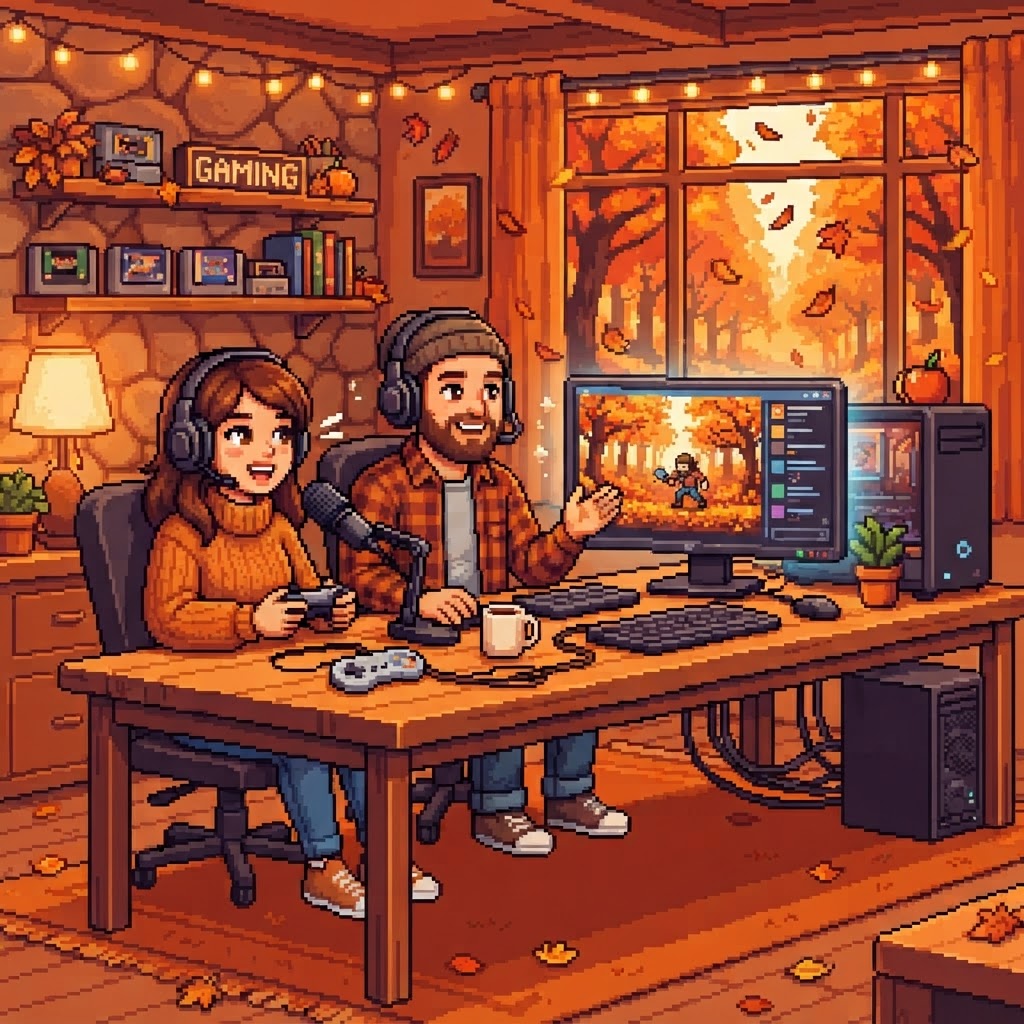
My Afternoon Co-Streaming With a Brand’s Chief Marketing Officer
A CMO joining a live gaming stream is not a logo placement with a headset on. Follow one afternoon from pre-stream nerves to a community raid, and see what brand trust can look like when an executive shows up ready to play, listen, and let the audience set the pace.
At 1:42 p.m., the CMO is asking whether the microphone is on. The game is already loaded, the chat is moving, and the streamer has just explained that the person joining them today helps run a consumer brand. A few viewers are skeptical. One types, “Is this an ad?”
That is the moment the partnership becomes real. Not when the logo appears on screen, but when the executive answers like a person and stays for the conversation.
For a marketing director considering a gaming sponsorship, that distinction matters. In the Fall in Love with Gaming autumn streamer raid campaign, the brand’s role is not to interrupt a community with a polished message. It is to join an active stream, take part on the streamer’s terms, and earn the chance to be welcomed into the next community along the raid route.
1:15 p.m.: Before the stream, set the right expectations
The CMO arrives with the usual executive instincts: prepare the talking points, keep the schedule tight, make sure the key message lands. Those instincts are useful in a boardroom. In a stream, they need to loosen up.
The streamer and campaign team spend the first few minutes agreeing on practical boundaries. What game are we playing? What topics are fair game? What should happen if chat asks about a product issue or a business decision the guest cannot discuss? The answer is not to script every response. It is to be honest about what the CMO knows, what they do not know, and when the streamer should take the lead.
They also agree on the basics: no forced product pitch, no pressure to read a prepared statement, and no expectation that viewers will react positively just because a senior executive showed up. The point is to participate, not to collect applause.
1:42 p.m.: The camera goes live
The streamer introduces the guest, then gets back to the game. There is no long opening speech. The CMO says hello, admits this is their first time trying this particular map, and asks chat for one beginner tip.
The first replies are not exactly gentle. One viewer tells them to stop looking at the floor. Another suggests a loadout. The CMO takes the advice, misses an easy shot, and laughs at themself instead of reaching for a brand-approved line.
That small exchange does more for the atmosphere than a polished slogan could. The executive is not pretending to be a lifelong player or asking the audience to admire the brand. They are giving the community something more useful: a real person who can take a joke, listen, and keep playing.
A good brand guest does not need to dominate chat. They need to understand that the streamer is hosting, the audience is at home, and the guest is there to join a space that already has its own culture.
2:05 p.m.: The conversation gets more interesting
As the game settles into a rhythm, chat turns from the guest’s aim to the brand. Viewers ask why a recent product change happened and whether the company pays attention to customer feedback. The CMO does not dodge the question or turn the moment into a pitch. They explain what they can, say plainly where they cannot speak for the whole team, and invite viewers to share what they would improve.
That answer is not a promise to fix everything overnight. It is an invitation to be heard, with clear limits. Viewers can tell the difference between an open conversation and a rehearsed attempt to steer one.
For a marketing director, this is where the value sits. A live appearance creates a chance for the company to listen in public, not just broadcast in public. The community may offer blunt feedback. That is not a campaign failure. It is a useful reminder that attention and trust are different things, and that trust grows when a brand can handle an honest response.
2:30 p.m.: The raid is a handoff, not a victory lap
Near the end of the stream, the streamer explains where the raid is going next and gives chat a heads-up. The CMO thanks the audience, mentions one thing they learned, and lets the streamer make the handoff. Then the viewers travel together to another creator’s channel, carrying their own conversation with them.
The executive does not treat the raid as a captive audience or an extra media placement. It is a community gesture: one streamer introducing their viewers to another, with the campaign providing a reason to connect. That distinction shapes the whole experience. The brand can support the moment, but it cannot own the relationship between creators and their audiences.
The CMO signs off, still wearing the headset, and asks the streamer how it felt from their side. There is no tidy claim that one afternoon changed every viewer’s opinion. The honest takeaway is smaller and more credible: the guest showed up, played badly at first, answered questions directly, and made room for the people already there.
What the marketing director should take away
If you are evaluating a gaming partnership, look beyond impressions and ask how your people will behave once the stream is live. Can they speak naturally without a script? Will they respect the creator’s format? Are they prepared to hear criticism without getting defensive? Can they offer something to the community besides a message about the brand?
And give the creator room to lead. Agree on guardrails together, prepare the executive for the setting, and measure more than reach. Consider the quality of the conversation, the audience’s response, and whether the streamer would genuinely welcome a return visit. The right measure is not simply whether the brand appeared. It is whether the appearance felt like it belonged.
By the time the afternoon wraps, the CMO has not become a pro gamer. They have become a little less formal, a little more curious, and easier for the audience to read. That is what participation can do: it lets people meet the person behind the company, without pretending the company disappears.
If you are weighing a campaign like this, start with one honest question: which person at your brand would be willing to join a stream, listen more than they talk, and be a beginner in public? Invite that person into the conversation, then let the community decide what happens next.
Ready to Join
the Raid?
Streamers earn points & rewards.
Brands get 3 months of real reach.