Five Myths About Gaming Budgets That Keep You From Growth
Gaming sponsorships do not fail because audiences are unreachable. They fail when brands measure community like a banner impression instead of a relationship. Here are five budget myths to challenge before planning your fall investment.
You have probably seen the same sponsorship proposal in five different forms: a large audience, impressive watch time, a few brand-safety assurances, and a forecast full of reach. Then comes the reasonable question: will any of this create demand, or will we simply fund people playing games online?
That skepticism is useful. It keeps budgets honest. But it can also hide a bigger risk: treating gaming communities as media inventory rather than groups of people who notice, remember, and respond to brands that show up with respect.
Here are five myths worth challenging before you decide what gaming deserves in your autumn plan.
Myth 1: Gaming audiences are too fragmented to reach efficiently
They are fragmented if you define them only by game title, platform, age, or device. They become much easier to understand when you look at behavior and shared rituals.
A streamer’s community is not just a list of viewers. It is a recurring room. People return for the creator’s humor, commentary, skill, and the familiar feeling of being there together. A raid, where one streamer sends their audience to another live channel, makes that social behavior visible. It is discovery, endorsement, and community handoff in one moment.
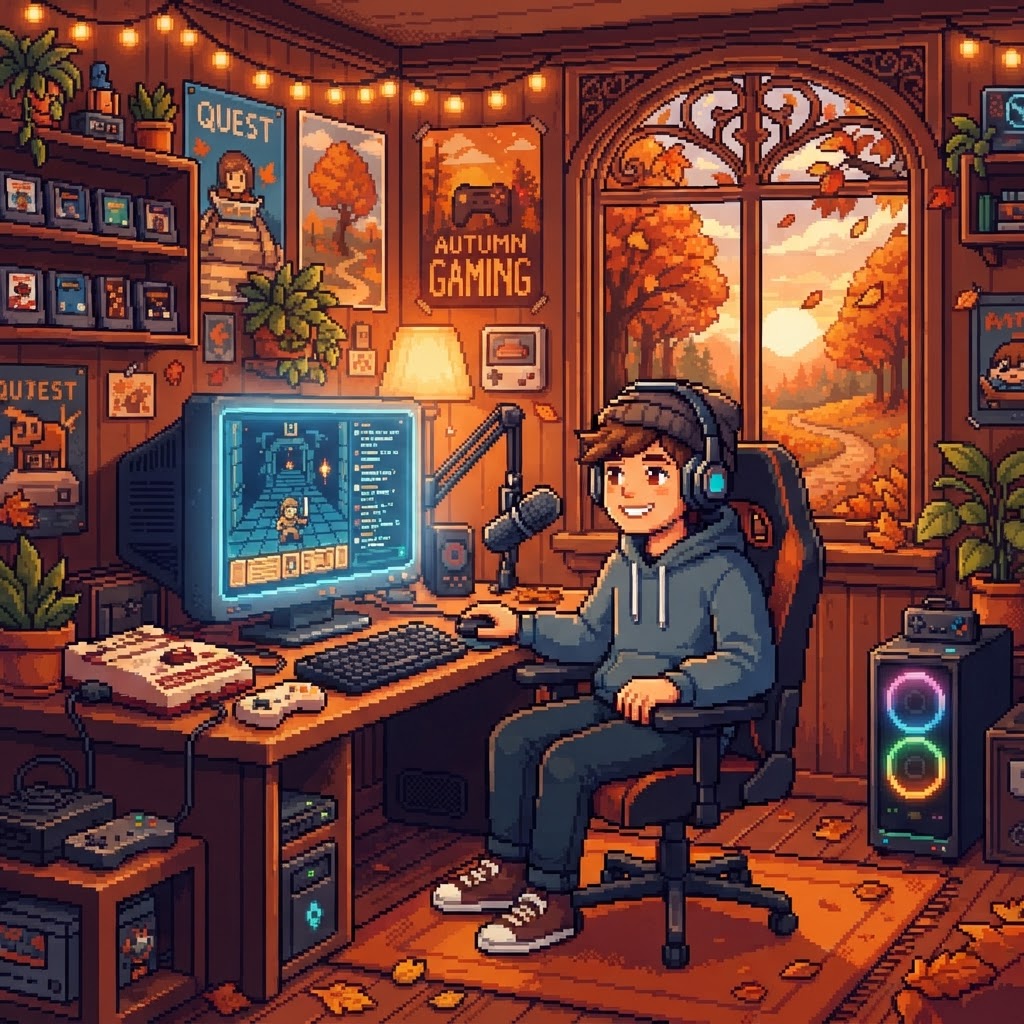
The Fall in Love with Gaming campaign, running from September through November 2026, is built around that connective tissue. Rather than asking a brand to buy access to an abstract demographic, it creates a sequence of trusted introductions across creators and communities.
That is more useful than chasing maximum reach. You can still measure unique viewers, frequency, click-throughs, and conversions, but you also gain a clearer view of how people move from awareness to participation.
Myth 2: Brand safety means keeping the brand away from live community culture
Live content carries legitimate risks. Chat moves quickly, creators are human, and no moderation system eliminates uncertainty. But the answer is not to flatten the environment until it feels nothing like the place audiences came to enjoy.
The stronger approach is designed proximity: vetted creators, agreed talking points, clear escalation procedures, active moderation, and formats that give the sponsor a natural role. A brand does not need to control every sentence to establish standards. It needs to know who it is partnering with, what viewers can expect, and how the team will respond when something goes wrong.
Consider a raid moment. A creator can introduce the next channel, explain why their community will enjoy it, and invite viewers to participate respectfully. That is a brand-safe behavior because it is structured without being scripted. The sponsor supports the ritual instead of interrupting it.
In practice, authenticity is not the absence of guardrails. It is what happens when guardrails protect a real experience rather than replace it.
Myth 3: Viewers remember the creator, not the sponsor
They may remember the creator first. That is not a failure. Trust is usually transferred through people, not deposited directly by a logo.
The question is whether the sponsor earns a meaningful association. A generic overlay is easy to ignore. A brand that helps make discovery possible, rewards participation, or supports a creator’s community gives viewers something concrete to remember.
Picture a Friday night stream in October. A creator finishes a challenge, thanks the audience, and raids a smaller streamer whose community is centered on cooperative play. The sponsor has helped fund the program, but it is not demanding a forced product monologue. Its role is visible through the shared experience: more creators get discovered, viewers find a new place to belong, and the original host can make a credible recommendation.
That is cultural relevance at its most practical. The brand becomes part of a positive memory, not an interruption competing with it.
Myth 4: Gaming budgets cannot prove business impact
They cannot prove much if the measurement plan begins and ends with impressions. That is a planning problem, not a property problem.
Set up the campaign around a ladder of outcomes. At the top, track reach, completion, and frequency. In the middle, measure branded search lift, site visits, audience sentiment, chat engagement, and creator-content interactions. At the bottom, connect trackable offers, landing-page behavior, sign-ups, purchases, or retail actions where appropriate.
You should also compare communities, not just aggregate totals. Which creator drove the strongest qualified traffic? Did viewers exposed to multiple raid moments convert at a higher rate? Did earned clips continue delivering attention after the live event? Those questions turn a sponsorship from a one-time media buy into a learning system.
No channel deserves immunity from scrutiny. Gaming is no exception. But it should be evaluated with metrics that account for attention and trust, not only the cheapest available impression.
Myth 5: We need to commit big before we know whether it works
You need enough investment to create a real experience, but you do not need to bet the entire annual budget on a theory.
Build a testable autumn plan. Choose a focused audience, a small group of creators, a clear brand role, and a few business outcomes. Use September to establish the format, October to deepen participation, and November to analyze repeat exposure and conversion. Keep the learning loop short enough that the next decision is based on evidence, not optimism.
The most expensive mistake is not trying gaming and learning that a particular execution missed. It is staying outside the conversation while competitors become familiar through repeated, respectful participation.
So, if your hesitation is about reach, safety, or accountability, keep asking hard questions. Just ask them in a way that leaves room for the human answer. Fall in Love with Gaming offers a practical opening: support the communities already creating connection, measure what changes, and let your brand earn its place one genuine interaction at a time.
Bring your toughest concern to the planning conversation. The right creators, safeguards, and success measures should make the opportunity clearer, not require you to suspend judgment.
Ready to Join
the Raid?
Streamers earn points & rewards.
Brands get 3 months of real reach.