Five Questions You're Afraid to Ask About My First Raid
Your first streamer sponsorship does not have to mean handing over the brand playbook or betting the whole budget on an unfamiliar channel. Here are five candid answers about using the Fall in Love with Gaming raid campaign as a measured, human-scale pilot.
You have probably asked yourself these questions before opening a streamer sponsorship brief: Who controls the message? What happens if the audience does not respond? How do I prove this was worth the budget?
Those are not signs that you are behind the curve. They are sensible questions, especially when your job is to protect the brand while finding more meaningful ways to reach people. Treat this campaign as a pilot project we can build together, not a leap of faith.
1. What if the streamer says something that puts my brand in an awkward position?
You should not have to choose between an authentic stream and basic brand safeguards.
A good first raid starts with shared expectations. Before the stream, we can agree on the campaign’s purpose, approved talking points, required disclosures, visual assets, and subjects to avoid. The streamer still speaks in their own voice, but the partnership has a clear frame.
That distinction matters. Viewers can tell when a creator is reading a stiff commercial, but they also notice when a brand has done its homework. A short, practical briefing gives the streamer room to be themselves while protecting the essentials, such as accurate product claims, appropriate language, and a clear sponsorship disclosure.
You are not surrendering control. You are defining what control needs to look like in a live environment.
2. What if the audience ignores the sponsorship?
They might scroll past a logo. They are less likely to ignore a moment that fits naturally into the stream.
A raid creates that moment. Instead of dropping a disconnected ad into someone’s evening, the campaign connects communities through a live handoff. One streamer sends viewers to another channel, and your brand helps make that discovery possible. The result is not just an impression. It is a shared action that viewers can see, understand, and participate in.
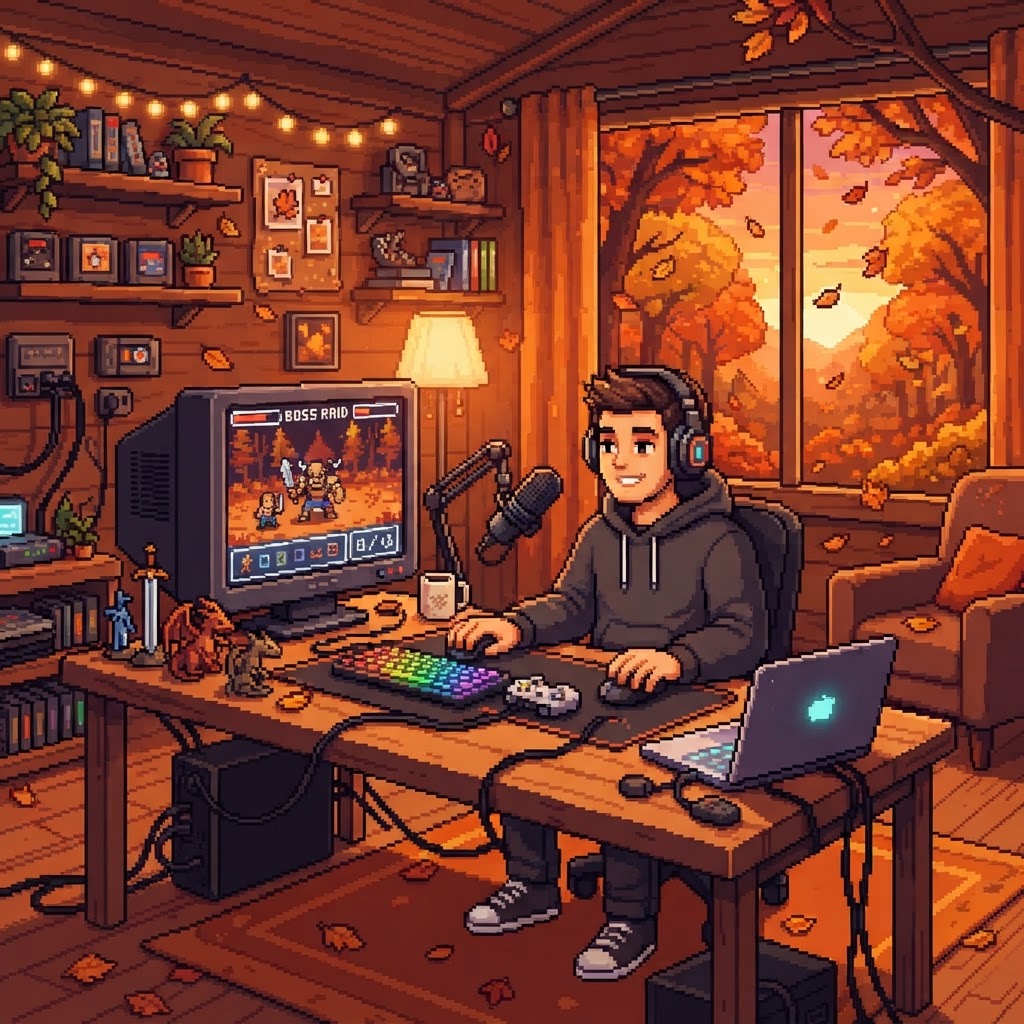
Picture a late October stream: a creator wraps up a co-op session, thanks their chat, and sends the community to a new streamer for the next part of the evening. The host explains why they are making the introduction, the audience follows along, and the brand is present as a supporter of that connection. That feels very different from interrupting the experience with a generic message.
We will still define success in measurable terms, including reach, live viewers, raid activity, chat engagement, clicks where relevant, and post-stream content. But the quality of the interaction matters, too.
3. How do I know I am not wasting budget on an unproven channel?
Start smaller, set the learning goals first, and avoid pretending that one stream can answer every question.
The September to November 2026 schedule gives us room to test thoughtfully across the autumn season. We can begin with a focused activation, review what happened, and use those findings to shape the next step. That might mean comparing stream times, audience sizes, game categories, creative approaches, or different calls to action.
For example, rather than committing the entire budget to one large broadcast, you could test two or three smaller raids with distinct objectives. One may be designed to build awareness, another to encourage product consideration, and a third to learn which community behaviors are most valuable. After each activation, we look at the evidence together.
A pilot does not eliminate uncertainty. It makes uncertainty affordable and useful.
4. What will I actually be able to report to leadership?
You should leave with more than a highlight reel and a handful of screenshots.
Before launch, we can agree on a simple measurement plan tied to your business question. If leadership wants awareness, we might focus on unique reach, video views, frequency, and brand visibility. If the goal is engagement, we can examine chat participation, raid retention, clicks, or community actions. If you are exploring creator partnerships, we can document audience fit, content quality, and the streamer’s ability to communicate your message naturally.
The reporting should also include context. A high chat volume may signal strong enthusiasm, but it is more useful when paired with who participated, when engagement peaked, and what viewers responded to. Likewise, a modest audience can still be valuable if it is highly relevant and actively involved.
The question is not simply, “How many people saw us?” It is, “What did people do, and what did we learn that improves the next activation?”
5. What if I am not ready to become a gaming expert?
You do not need to master every game, meme, or platform feature before you begin. You need a curious partner who will translate the environment and respect the community.
We can help you understand the practical details, from selecting creators and reviewing audience fit to preparing talking points and reading the post-stream results. You can bring the brand knowledge. The streamer brings community knowledge. The campaign brings a structured way to put those strengths together.
That is the real opportunity here. Your first raid is not a test of whether your brand suddenly belongs in gaming. It is a chance to listen, participate, and learn how connection happens in a space that values sincerity.
If you are considering your first streamer sponsorship, let’s start with the question you are most hesitant to ask. We can outline a small pilot for September through November 2026, agree on the guardrails, define what success means, and decide together whether the next raid has earned its place in the plan.
Ready to Join
the Raid?
Streamers earn points & rewards.
Brands get 3 months of real reach.