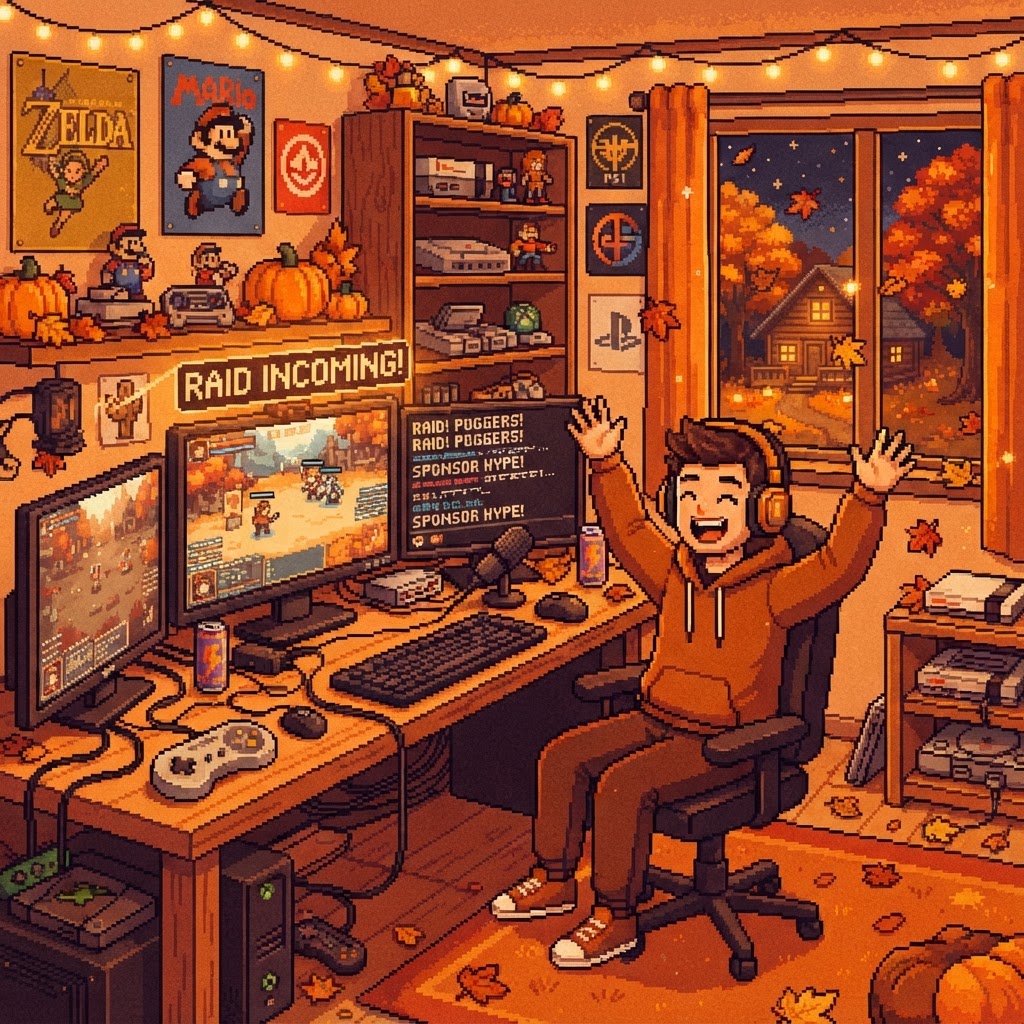
From Static Ads to Live Chaos: A Sponsor’s First Raid
A step-by-step, sponsor-focused 24-hour walkthrough that turns a skeptical brand manager’s controlled ad playbook into a front-row seat at a live raid: see the planning, the improv, and the metrics that make chaos work for brand resonance.
You sign off on shot lists, negotiate CPMs, and sleep with a spreadsheet open. You want predictability, brand safety, and measurable outcomes. Good. Now watch a single 24-hour raid cycle from the producer’s side, so you can see how a coordinated, community-first moment creates real, human resonance in ways a static spot never will.
06:30: Morning, calm before the chat storm
The day starts with data. The campaign dashboard shows three streams lined up for the evening peak: a mid-tier variety streamer with 5,200 average viewers, a rising FPS creator with 2,400 concurrent viewers on peak nights, and a community host who runs late-night chill sessions. We confirm the safety checklist, the approved assets, the promo code, and the contingency plan if chat goes sideways.
Concrete detail: in our pilot last month, the main raid wave hit 2,400 concurrent viewers, and the branded promo link received a 9.2% click-through rate in the first hour. Those are not magic numbers, they are outputs of design: right streamers, synchronized timing, and a message people want to amplify.
11:00: Creative check-in, ditch the read-aloud script
This is where the difference from a 30-second spot becomes obvious. Instead of finalizing a rigid script, we hand streamers a story brief: a simple product truth, three talking points, one safety line, and a creative permission slip. Their job is to make it organic. We build two small assets: a custom emote pack for the raid, and a five-second branded stinger for transitions. Both are optional, because authenticity wins when creators can choose their tools.
We also drop a time-limited promo code into the plan: FALL20, valid for six hours during the raid. Limiting availability creates urgency, and it gives community members something real to rally around.
15:00: Community ops, rehearsals, and mood checks
The community managers from each channel join a 20-minute call. No rehearsed lines, just a tabletop: when the main raid hits, who moderates chat, which chat commands trigger the promo link, which emotes are pinned, who hosts a post-raid Q&A. We assign a single contact per channel for rapid decisions. A typical role sheet looks like this: producer, three mods, community manager, analytics lead, and the brand safety watcher.
The magic here is small rituals: a five-minute synchronized countdown, a pre-raid cheer, a shared emote drop. These are lightweight, repeatable signals that create a collective moment across communities.
19:00: Warm-up streams, expect the unexpected
Each channel goes live with their normal content. The brand appears as a human partner, not a billboard. One streamer improvises a 60-second demo because the chat asked for a quick test, another uses the branded emote as a running joke for five minutes. The producer nudges in chat, but does not control. This lack of rigid control feels risky to many brands, but it is precisely where the authentic signal comes from.
Metrics to watch during warm-up: chat messages per minute, new followers, and engagement spikes around the emote drop. These show whether communities are primed for the raid.
20:45: The raid maneuver, orchestrated chaos
At 21:00 we synchronize. One host drops a countdown in chat, the others cue the emotes, and the producers execute the raid command. Within seconds, thousands of accounts pour into the target stream. The streamer on the receiving end greets people by name, highlights community posts, and reacts to inside jokes that formed during warm-ups.
This is loud, messy, and human. The brand is visible through the promo code, the branded emote, and a short, unrehearsed mention from the host: "We’re hanging with our partner tonight, they sent this cool code if you want to try it." That tiny, casual moment beats a three-line read, because it came from a person the audience trusts in real time.
23:30: Peak engagement, improv wins
The post-raid window is when conversion and brand sentiment spike. People in chat ask for honest takes, and the creator answers unscripted. One moderator pins a FAQ about the product, and a streamer does a live, off-the-cuff demo that sparks questions. In our pilot, average view duration tripled during this phase, and the branded emote became a top ten emote in the host’s chat, which prolonged visibility naturally.
This is the human payoff: viewers are not passive viewers, they are participants. They validate each other, they laugh, they critique, they decide together.
02:00: Late night, community conversations
The late-night crowd is smaller, but deeper. Conversations become qualitative insights. A handful of users discuss pricing, feature ideas, and packaging in chat. Those moments are pure research gold, and they rarely surface in a closed ad environment.
Next morning: Debrief, quick wins, and the next loop
By 10:00 we have preliminary metrics: engagement rate, promo redemptions, top chat topics, and a short clip reel of the best spontaneous brand moments. We meet for 30 minutes, and the bring-back to your world is simple: a highlight package you can use as organic creative, a list of authentic quotes from chat, and a few product improvement suggestions directly from customers.
If you are used to polished, predictable placements, this will feel messy. That’s the point. When you let creators and communities collaborate, you get unstaged, believable advocacy that travels farther than any static ad.
If you want to see this in action, come watch one with me. I can put you in producer chat for a raid night, show you the dashboard, and introduce you to the streamers. Bring your spreadsheet, I’ll bring the headset, and we’ll watch what predictability looks like when humans are allowed to do their thing.
Ready to Join
the Raid?
Streamers earn points & rewards.
Brands get 3 months of real reach.