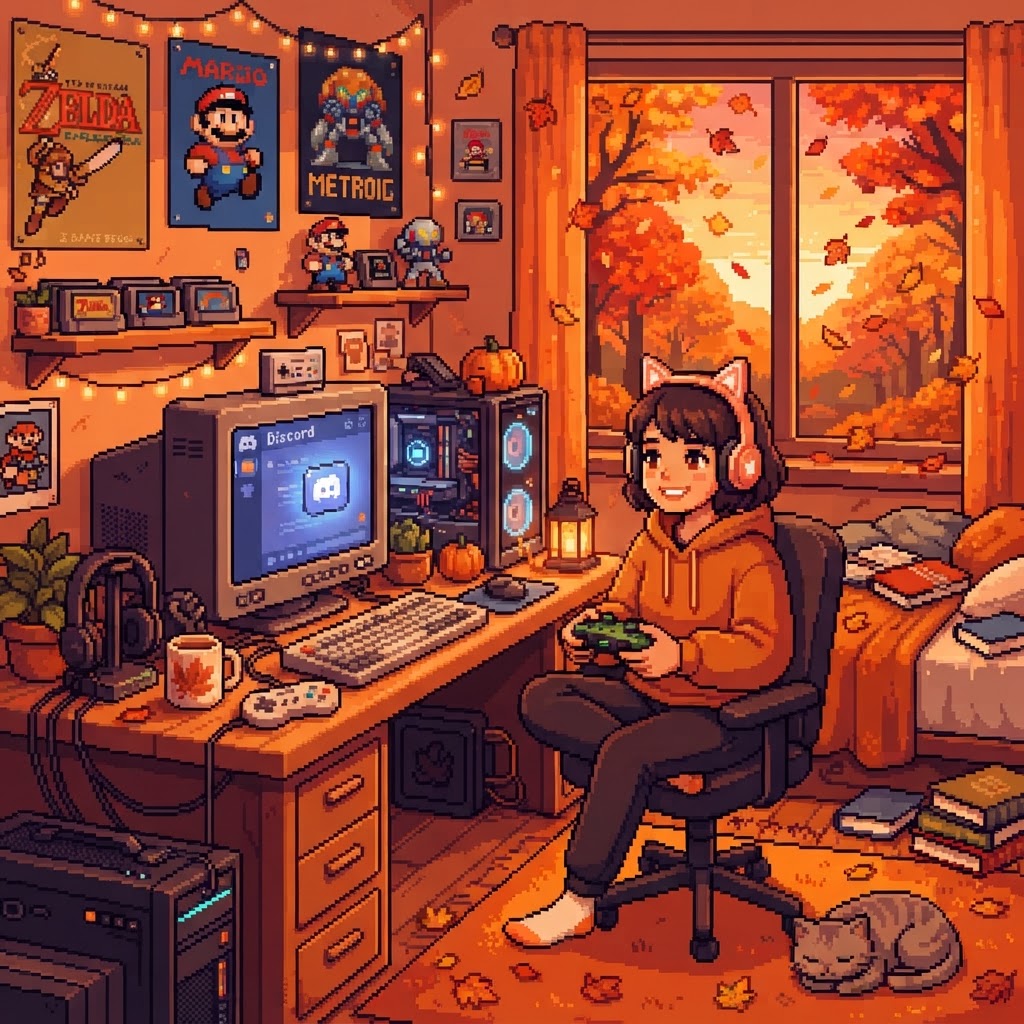
I Almost Declined the Invite That Filled My Discord
I hesitated when a branded raid invite promised growth but felt corporate. I joined anyway, and my Discord, viewership, and sense of community exploded within 48 hours — here is the honest story of why it didn’t cost me integrity, and why you might accept the next invite.
I stared at the DM for ten minutes, thumb hovering over Decline. The subject line was simple: "Join the Fall in Love with Gaming raid?" The sender was earnest, the brief included timing and creative guidelines, and the offer came with a sticker pack and a small stipend. I knew what those things meant: visibility, numbers, and possibly a short-term audience that would never really stick. I also knew what it would feel like if I said yes and the stream turned into a commercial break with a smiling influencer reading bullet points off a teleprompter.
The hesitation
My stream had been quiet for months. I love what I do, but between work, life, and the cost of keeping my setup warm in the colder months, I was tired. I was proud of my identity on stream: casual, chat-first, and a place where friends could show up and be themselves. Brand partnerships had always felt like a potential stain, something that could erode that trust.
So I asked myself a question I suspect you ask too: can a branded campaign actually feel like community, rather than a transaction? I almost declined because I did not want to betray the tone I had built. Also, a tiny voice in the back of my head said the numbers were not worth it: why invite an audience who might never come back?
The decision
I accepted because the invite came with more than a brief. It included a Discord roadmap, a shared playlist of community activities, and a promise from the organizers to let streamers co-design segments. They asked what mattered to my audience before anything else. That mattered to me. I thought, if they are willing to listen, maybe the rest can be shaped into something real.
The night everything shifted
We staged a co-op session with three other streamers, each with a different vibe: a speedrunner, a chill explorer, and a hyper chatty variety host. I planned a small segment where viewers could nominate a community challenge, and I promised two winners a custom emote I’d design. I also made one hard rule for myself: no scripted sell, ever. I would let the brand show up in one pinned message, and that would be it.
The raid started with a modest bump. My average concurrent viewers that month had been 18. By the end of the night, it peaked at 82, with an average watch time up 35 percent. My Discord, which had been stagnant at 140 members, jumped to 1,070 in 36 hours. I had 172 unread messages the next morning, most of them new people excited about the community challenge and the small giveaways that followed.
But numbers alone do not tell the whole story. What surprised me was how many people stayed. The co-created segments made it feel participatory. One viewer, "Mira7," stayed to help moderate, then offered to host a community night two weeks later. Another group formed a weekday speedrun hub that still meets every Wednesday. The brand’s role was visible, but it felt like a scaffolding rather than the stage.
Why it didn’t feel like selling out
Three concrete choices made the difference: I kept my voice, I controlled the creative elements, and I prioritized community tasks over product pushes. The campaign materials allowed for that. They gave us shared assets, but not scripts. They provided a Discord toolkit with suggested channels and a calendar, but they let each streamer write their own description and set their own rules.
That respect for individual style turned a branded event into a co-op of creators. Instead of reading lines, we collaborated on a scavenger hunt that had viewers solve clues in both Twitch chat and the Discord. The brand sponsored small prizes, but the content was ours. The result felt authentic, and it drew people who cared about the community vibe as much as the game.
What I learned and what I would tell you
If you are on the fence, consider these three things: 1) Ask what control you have over creative choices, 2) define one non-negotiable boundary for your stream, and 3) insist the brand supports community infrastructure, not just a billboard on your overlay.
Accepting the invite did not drain my integrity. Instead, it gave me resources to amplify what I already valued. My Discord now has regular organizers, a welcome channel with clear rules, and a pinned FAQ that curbed repeated questions. It is messier, but also livelier.
If you want to see this in action, come to my next stream on Tuesday at 7pm, or DM me on Discord and I will walk you through how we used the campaign toolkit to build something real. If you are thinking of saying no because you fear losing your voice, talk to someone who has said yes and stayed true to their community. I almost declined the invite that changed everything, and I am glad I did not.
Ready to Join
the Raid?
Streamers earn points & rewards.
Brands get 3 months of real reach.