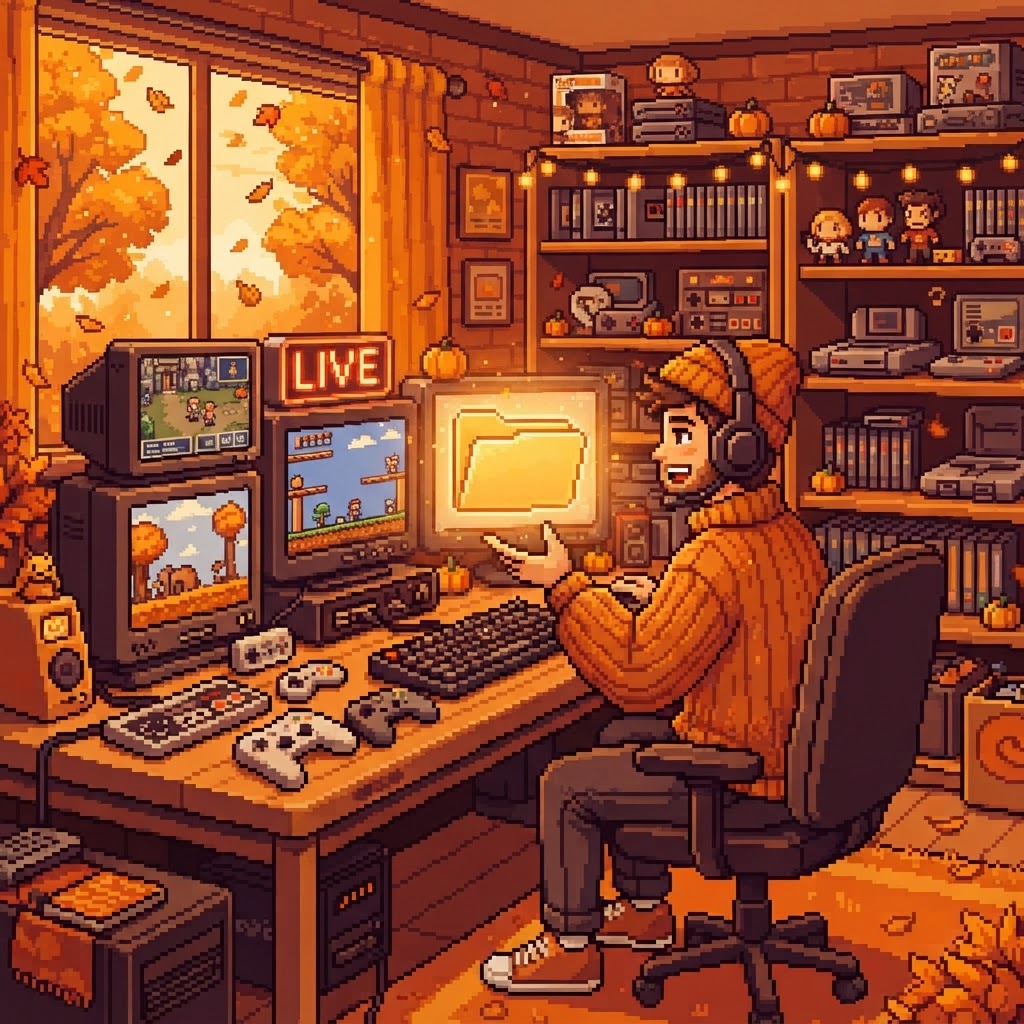
I Hid My Brand Email Folder Until the Raid Changed My Mind
The first brand email can feel like a threat to the community you built. One creator shares how a Fall in Love with Gaming raid turned that fear into a partnership that still felt like their channel.
The brand email sat unopened for three weeks.
I had a folder for sponsorship inquiries, tucked beneath my invoices and tax receipts. Every time I saw the little unread count, I felt a tightness in my chest. I’d built my channel by hanging out with the same people every week, laughing at bad decisions in co-op games, and letting chat pick my next challenge. What if one sponsored stream made all of that feel fake?
I wasn’t a tiny creator anymore. I had a regular audience, a Discord that stayed busy between streams, and enough views that brands had started noticing. Somehow, that made the email scarier, not less. I kept thinking: Who am I to take someone’s money to talk about a game? And what if my viewers think I’ve sold out?
The pitch I nearly ignored
When I finally opened the message, it was an invitation to join the Fall in Love with Gaming autumn streamer raid campaign, running from September through November 2026. The idea was simple: creators would stream games they genuinely enjoyed, then raid another participating channel to pass their communities along.
My first reaction was to look for the catch. I read the brief twice, checking whether I’d be expected to deliver a memorized sales pitch or pretend I loved something I’d never played. Instead, the emphasis was on choosing a game that fit my channel and making the stream feel like my own.
That didn’t erase my nerves. It just gave them a more useful question to answer: Could I do this in a way that respected the people who showed up for me?
I wrote back with a few boundaries. I wanted to be clear with chat that the stream was sponsored. I wanted to play the game myself before deciding how to talk about it. And I didn’t want the raid to feel like a handoff to a stranger with no context. The people on the other side deserved an introduction, not a sudden wave of usernames.
The response was thoughtful. We worked out a plan that left room for my usual banter and gave me time to explain why I was joining the event. That was the first moment the whole thing stopped feeling like a transaction. I wasn’t being asked to borrow someone else’s voice. I was being trusted to use my own.
The stream that changed the folder
On raid night, I chose a game that gave chat plenty to argue about. Within twenty minutes, someone was insisting I’d made the wrong build choice. They were right, which made it funnier. We spent the next half hour trying to recover from my terrible strategy, and I almost forgot to be nervous.
Before the raid, I told everyone where we were going and why. I described the other creator’s stream, gave chat a little context, and made it clear they could stay, leave, or just lurk. Then we hit the raid button.
The new channel welcomed us warmly. My viewers started chatting, the other streamer picked up the conversation, and for a few minutes it felt less like two audiences being moved around and more like a group of people finding another room at the same party. One of my regulars later told me they’d followed the creator and watched their next stream.
That detail mattered more to me than any tidy campaign metric. I’d worried that accepting a sponsorship meant choosing the brand over my community. Instead, the most memorable part was introducing my community to someone they might genuinely enjoy.
I won’t pretend every fear disappeared. I still checked my wording before the stream. I still wondered whether I was being too enthusiastic, or not enthusiastic enough. Imposter syndrome doesn’t usually vanish because one email turns out fine. But the experience gave me evidence to put next to the worry: I had been transparent, I had kept control of my voice, and my viewers had responded like people who trusted me to make a decision.
What I’d tell the creator with an unopened email
If you’re staring at your first partnership offer, you don’t have to answer with an immediate yes or no. Ask what the work involves. Find out what’s flexible, what’s required, and how you’ll be expected to disclose the sponsorship. Try the game or product before agreeing to recommend it. If something doesn’t fit your channel, say so. A good conversation should leave room for that.
Then ask yourself a less intimidating question than, “Am I selling out?” Ask: “Can I make this honest, useful, and mine?” You might discover the answer is no, and that’s a perfectly solid reason to pass. Or you might find a creative angle that gives your audience something new without changing the relationship you’ve built.
I still have that folder. I don’t hide it anymore. Now, when an email comes in, I open it, take a breath, and decide on the actual offer instead of letting my worst-case story decide for me.
If you’re heading into your first partnership, I hope you find the space to ask questions, set boundaries, and make the work feel like your channel. And if you’re still nervous, you’re welcome to tell me what part is weighing on you. Chances are, another creator has been staring at the same unread email.
Ready to Join
the Raid?
Streamers earn points & rewards.
Brands get 3 months of real reach.