I Let a Sponsor Into My Stream’s Command Center
A candid, control-room view of a live gaming raid for marketers who already buy creator placements but want to understand what happens when community, timing, and brand safety meet in real time.
At 8:47 p.m., the sponsor is watching a dashboard that says the campaign is healthy. Impressions are climbing, click-through rate is respectable, and every contracted deliverable is marked complete.
Then the streamer says, “We’re raiding someone.”
The dashboard does not explain what happens next.
A raid is not a creator reading a message, displaying a logo, and waiting for an audience to behave. It is a live handoff between communities, usually with a few seconds to make decisions that affect tone, safety, pacing, and trust. From the outside, it can look chaotic. From inside the streamer’s command center, it is a practiced sequence of judgment calls.
That is exactly why I wanted a sponsor in the room.
The command center is smaller and messier than you expect
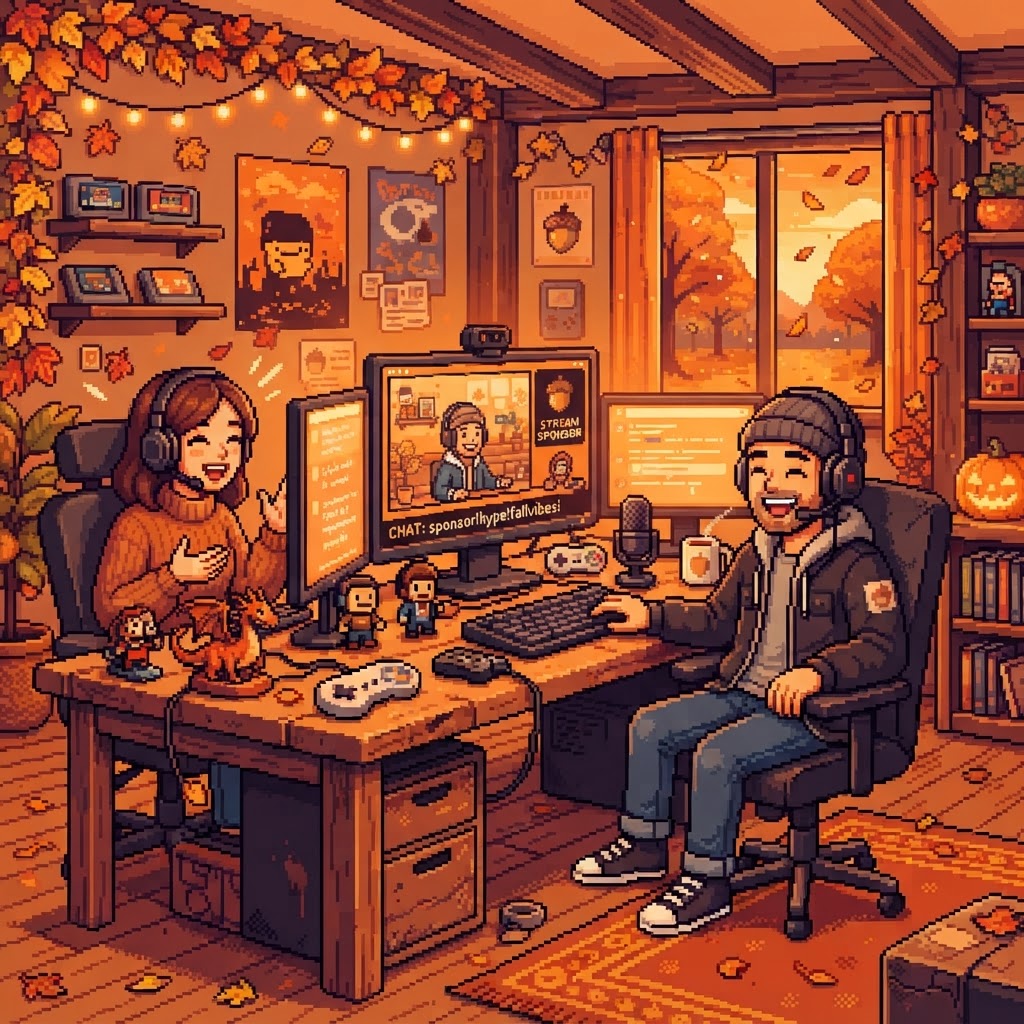
There is no cinematic wall of screens. In this case, the streamer is working from a home office with two monitors, a microphone arm, a water bottle, and a chat window moving too quickly to read line by line.
One screen holds the game. The other has the broadcast software, moderation tools, campaign notes, and a shortlist of possible channels to raid. A producer is in a private chat. Two moderators are watching for spam, harassment, and suspicious links. The sponsor has access to the campaign dashboard, but not to the controls.
That distinction matters.
The brand is not steering the streamer like a remote-controlled ad unit. The streamer is responsible for the room, the handoff, and the audience experience. The sponsor sees the decisions as they happen, with enough context to understand them, but without interrupting the moment.
For a marketer accustomed to approving scripts, captions, and media placements, this can feel uncomfortable at first. You are used to knowing where your message appears. Here, you are learning why the message works because it belongs inside a real relationship.
The first decision is not “Who has the biggest audience?”
At 9:02 p.m., the streamer checks the shortlist. The largest channel is active, but its chat is moving too fast, and the audience overlap is weak. Another creator has fewer viewers, but their community shares the same game, humor, and expectations as the current room.
That second creator gets the raid.
This is where cold campaign logic gives way to community intelligence. A raid succeeds when the incoming audience feels invited, not dumped somewhere random. The streamer is asking questions your standard influencer report may not capture:
- Will these communities understand each other?
- Is the receiving creator in a good moment to welcome new people?
- Can moderators handle the traffic?
- Does the handoff make sense for the audience tonight?
The answer can change in under a minute. A creator may switch games, step away, or encounter a moderation issue. The plan is real, but it is not rigid.
The handoff happens faster than a media plan can describe it
The streamer gives the audience a short explanation, thanks them for being there, and names the destination. Moderators paste the agreed raid message. A branded autumn overlay appears briefly, but it does not interrupt the goodbye.
Then the viewers move.
In one campaign test, a channel with roughly 1,800 live viewers sent 1,420 people into a partner stream within seconds. The receiving creator saw the audience arrive as a wave, welcomed them by name, and immediately gave them something to do: vote on the next challenge.
That is high-velocity engagement, but the important part is not only the number. The audience had a reason to participate. They were not clicking through a passive placement. They were entering a live social moment with a clear invitation.
The sponsor’s logo was present, but it was not carrying the experience. The creators and their communities were.
What the sponsor sees when something changes
Mid-raid, the receiving chat starts producing repeated links. The moderator flags them. The streamer pauses the welcome, tells newcomers not to click anything, and lets the moderation team clear the room.
This is the moment many traditional marketers worry about: something unpredictable happens while the brand is nearby.
But unpredictability is not the same as a lack of control. The safeguards were built before the raid began. Approved messaging, creator guidelines, moderation coverage, escalation contacts, and clear stop conditions are already in place. The streamer can protect the audience without waiting for a brand approval chain.
That is a more useful form of control. It is not control over every word. It is control over the conditions that make a live interaction safe, credible, and recoverable.
The metric that changes the conversation
After the raid, the sponsor does not receive only a reach number. The report combines the familiar figures with behavioral context: peak concurrent viewers, chat velocity, unique participants, follow-through into the receiving channel, sentiment, moderation events, and where people stayed after the handoff.
You can still compare cost per engaged viewer. You can still review conversions and attributed traffic. The difference is that the numbers explain an interaction rather than pretending interaction is a number.
A viewer who follows a creator, joins the next challenge, and returns during a later stream has done something more valuable than simply seeing an impression. The campaign has moved from exposure to participation.
That is the real promise of an autumn raid. Not that every moment will be polished, but that the audience can tell when a brand understands the room.
Step inside before you scale
If you already work with creators, you do not need to abandon briefs, approvals, or measurement. Bring those disciplines with you. Add room for live judgment, invest in moderation, and let the creator retain the authority their community already recognizes.
Start with one raid, one carefully matched partner, and one sponsor representative watching the command center instead of trying to command it. Ask what the streamer noticed, what changed, and why the audience responded.
Then decide whether the experience earned another night.
For the Fall in Love with Gaming campaign, that is the invitation: join a live raid this September through November 2026, not as a brand hiding behind a placement, but as a thoughtful guest in a community that knows when someone is listening.
Ready to Join
the Raid?
Streamers earn points & rewards.
Brands get 3 months of real reach.