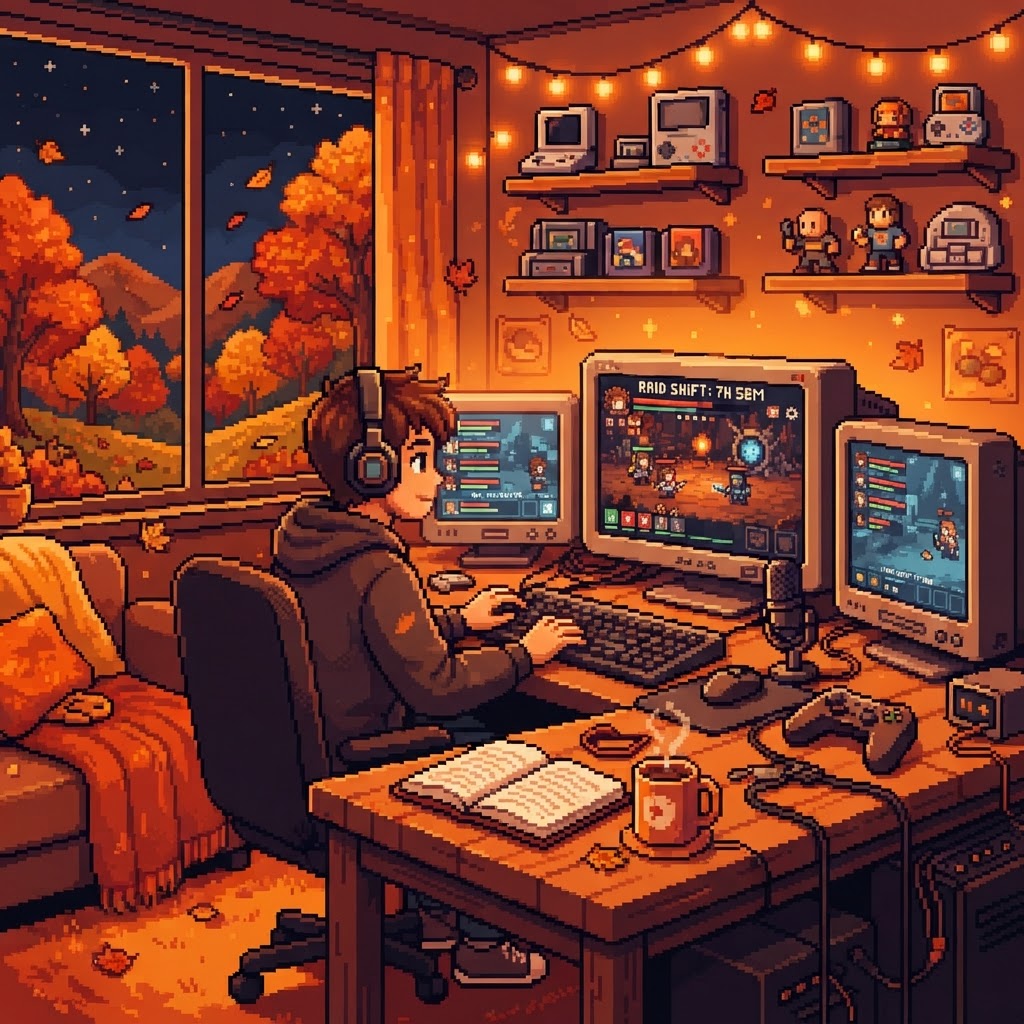
I Recorded My 8-Hour Raid Shift and Something Changed
A candid eight-hour raid log for streamers who want lasting community, not just campaign revenue. See how the most meaningful connections happened between matches, during awkward pauses, and in the unplanned moments that no dashboard can fully measure.
I nearly skipped the raid because my schedule was already a mess.
The campaign slot was eight hours long, my headset had started cutting out, and I had spent the previous evening trying to make a sponsor read sound less like a sponsor read. I had a neat run-of-show, a list of talking points, and a goal for concurrent viewers. What I did not have was any idea that the best part of the day would happen while nobody was technically “performing.”
Here is what that shift actually looked like.
10:00 a.m. The polished opening lasts seven minutes
I went live with coffee beside me, game capture running, and the campaign overlay in the corner. I welcomed everyone, explained the raid plan, and delivered the required talking points. It was clean. It was accurate. It was also the least interesting part of the broadcast.
The chat responded with the usual morning energy: a few emotes, a joke about my coffee, and one viewer asking whether I had slept. Then we loaded into the first match.
Seven minutes later, our squad wiped in a spectacularly avoidable way.
Instead of moving on quickly, we sat in the lobby and talked about it. One viewer explained the mistake in detail. Another admitted they had made the same error in a tournament the week before. I told a story about losing a final round because I was distracted by my own cat walking across the keyboard.
That was the first real connection of the day. It was not in the planned segment. It was in the lobby.
11:30 a.m. The first raid arrives
The first incoming raid brought 42 viewers from a creator I had never met in person. I thanked them, introduced myself, and asked what they had been playing before they arrived.
The answer was a cozy farming game, which was not remotely what I was streaming. For the next ten minutes, chat compared favorite in-game houses, argued about the best virtual crops, and tried to convince me to take a break from competitive games.
I could have rushed into the next match to protect the schedule. Instead, I let the conversation breathe.
One person said they usually watched streams with the sound low because they were caring for their father. Another viewer recommended a playlist for quiet gaming sessions. Nobody was chasing a headline moment. They were simply finding one another.
That is the part of a raid that is easy to miss if you only watch the numbers. A raid is not just a transfer of viewers. It is an invitation to stay long enough to decide whether a new room feels safe, funny, or familiar.
1:00 p.m. The awkward hour
By early afternoon, the energy dipped. My regulars had lunch plans, the raid traffic had slowed, and I was staring at a loading screen while a patch installed. This was the stretch I would normally edit out of a highlight reel.
I did not have anything clever to say, so I told chat the truth: I was tired, the update was taking forever, and I was worried the whole broadcast had become repetitive.
Someone typed, “This is the most streamer thing you’ve said all day.”
That broke the tension. We started talking about burnout, inconsistent schedules, and the pressure to turn every stream into a memorable event. A smaller creator in chat shared that they had been afraid to join the campaign because their audience was too small. Another viewer told them that they had discovered their favorite channel through a raid of fewer than 20 people.
The quiet hour became the most useful conversation I had all day.
3:45 p.m. The moment I stopped checking the dashboard
I had been watching the viewer count every few minutes. At 3:45, I noticed I was thinking more about retention than about the people in front of me. So I closed the analytics window.
Almost immediately, I became a better host.
A returning raider recognized a longtime member of my community. They discovered they lived in neighboring towns and had both attended the same gaming convention. Two people who had arrived through separate creators began planning a local meetup. I had nothing to do with that exchange beyond leaving enough space for it to happen.
That is when the campaign stopped feeling like a sequence of deliverables and started feeling collective. Each creator was passing people along, but the community was deciding where to settle, whom to welcome, and what stories to carry forward.
6:30 p.m. The final handoff
By the last hour, I was hoarse. We played one final match, lost quickly, and laughed harder than we had during any victory. Then I prepared the outgoing raid.
I could have given the next streamer a quick scripted introduction and clicked the button. Instead, I told my viewers why I liked their channel: they remembered names, made room for new people, and never treated a slow chat as a failed stream.
When the raid landed, several viewers stayed with me in the new channel’s chat. Others remained behind to welcome whoever came next. That split was not a disappointment. It was proof that the handoff had created relationships instead of just inflating a number for thirty seconds.
What I would do differently next time
I would plan less tightly. Keep the required read, the schedule, and the basic guardrails, but leave actual room between them. A raid needs space for introductions, technical problems, bad matches, snack breaks, and the strange conversations that could never survive a polished script.
I would also measure more than peak viewers. I would look at returning names, chatters who crossed between channels, new Discord joins, and the messages that arrive the next day. One of my favorite messages came from a viewer who said they had not spoken in a stream chat for months, but felt comfortable joining ours during the campaign.
That is community growth. It is slower than a spike, harder to package, and much more likely to last.
If you are joining this autumn’s campaign, do not be afraid of the empty minutes. Let the lobby run long. Ask the raiders where they came from. Admit when you are tired. Give the next creator a real introduction, not just a handoff.
The moment that changes your stream may happen while the game loads and the metrics are boring. Stay for it.
Ready to Join
the Raid?
Streamers earn points & rewards.
Brands get 3 months of real reach.