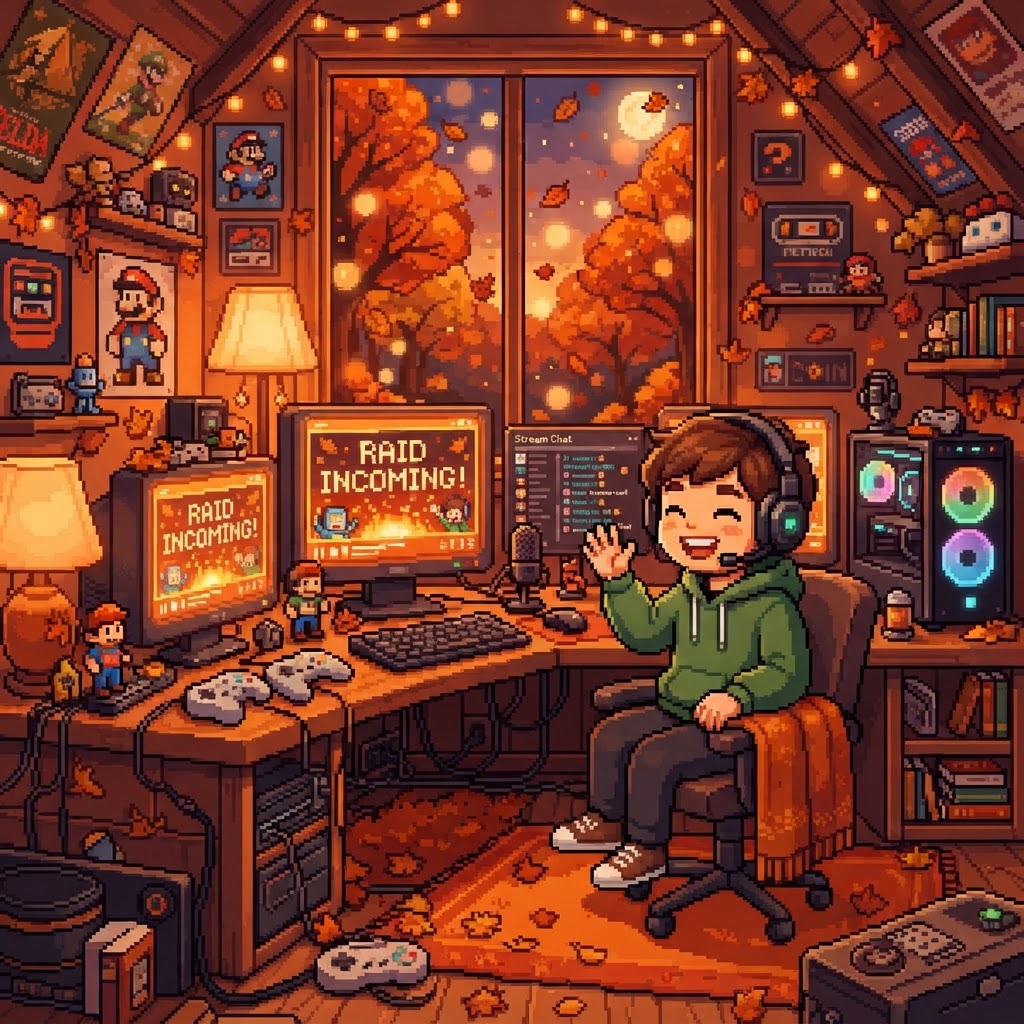
I Said Yes to the Raid When My Channel Felt Stagnant
I almost ignored a brand invite because I felt like a fraud, but saying yes to a structured raid campaign pulled my channel out of a rut, boosted viewership, and taught me how collaboration, not solo grind, creates meaningful growth.
It was 1:12 a.m., the chat was empty, and the red light on my camera felt accusatory. I had been streaming the same way for months, talking into a void, editing clips that got sympathetic views from my mom and a couple of close friends. My analytics dashboard was a mirror I avoided: subscribers stuck at 4,812 for five months, average views per upload hovering around 720, and 18% less watch time compared to the previous quarter. Then an email landed: an invitation to participate in a fall streamer raid campaign. My first instinct was to archive it and move on.
The voice that almost won
The reason I almost ignored that invite was not practical. The brief was simple, the creative assets were ready-made, and the campaign had a schedule that would remove most decision fatigue. What stopped me was a voice that has lived in my head since my very first awkward upload. It said: You are not big enough. Brands will notice you for the wrong reasons. If you try and fail publicly, people will see how small you are.
That voice is imposter syndrome, and it keeps a lot of creators in their own echo chambers. When you stream in a vacuum, you measure success only by a spreadsheet of numbers that move in tiny increments. You avoid joins, cross-promotion, and collaborations because they feel like exposure of your insufficiencies, rather than opportunities for growth.
Why I said yes
I said yes not because the campaign promised immediate fame, but because it offered structure I could borrow from. The organizer set up coordinated raid nights, shared overlays, a few short scripts to help open conversations, and a Discord channel where participating creators traded tips. It reduced the friction of connecting with other streamers, and it let me practice being a collaborator before I had to negotiate a proper brand deal.
On the first coordinated night, the mechanics were simple: we flipped raid targets at agreed times, we used the campaign hashtag in titles and thumbnails, and we shared a small, themed giveaway to keep people engaged. I prepared one overlay change, a 90-second opening segment about why community matters to me, and a real question to ask every guest: What made you love this game?
The night that changed everything
That stream was messy, imperfect, and human. Instead of broadcasting to my empty room, I was part of a chain of channels. Viewers came in with context, because they had already seen the campaign overlays and the shared hashtag. The chat filled with people asking where the raid came from, what other creators were playing, and what the next night would look like.
Concrete results followed. My average concurrent viewers that week jumped from 12 to 45 during raid nights. I gained 214 subscribers that month, and two uploads tied to the campaign hit 1,900 and 2,300 views respectively. My monthly watch time rose 38%, and more importantly, my follow-up streams had a livelier chat and a handful of repeat viewers who referenced the raid nights by name.
Those numbers were a balm, but the real change was intangible. For the first time in months, I felt like I was part of a scene rather than shouting into it. I learned how to introduce another creator in a way that made them look good, and I watched others do the same for me. People who had never noticed my channel before came because they trusted the collective signal of multiple creators participating together.
What this teaches small creators about partnerships
If you are looking for your first brand partnership, understand that brands are not just buying impressions or a sponsorship slot. They are buying context, safety, and relationships. A campaign that organizes creators into a shared event gives brands predictable reach, and it gives you the tools to look professional without pretending you have everything figured out.
Participation teaches basic, but vital, skills: hitting deadlines, using assets that match a brief, coordinating with other creators, and communicating metrics honestly. Those are the things that turn a one-off shoutout into an ongoing partnership.
A confession and a closing thought
Saying yes did not erase doubts, and it did not turn me into a top-tier creator overnight. But it changed the way I measured my work, from private comparison to public contribution. It made my channel feel alive by connecting it to other people’s audiences, ideas, and practices. That was the professional growth I needed: accessible, collaborative, repeatable.
If you are sitting on an invite and your first impulse is to decline because you do not feel ready, I get it. If you want help deciding, leave a comment here with one sentence about what scares you most, and I will reply with a single, practical step you can take right now to make a yes easier. I would love to talk through your first pitch, your first raid night, or your first branded stream, because I remember what it felt like to be on the edge, wondering if we were allowed to belong.
Ready to Join
the Raid?
Streamers earn points & rewards.
Brands get 3 months of real reach.