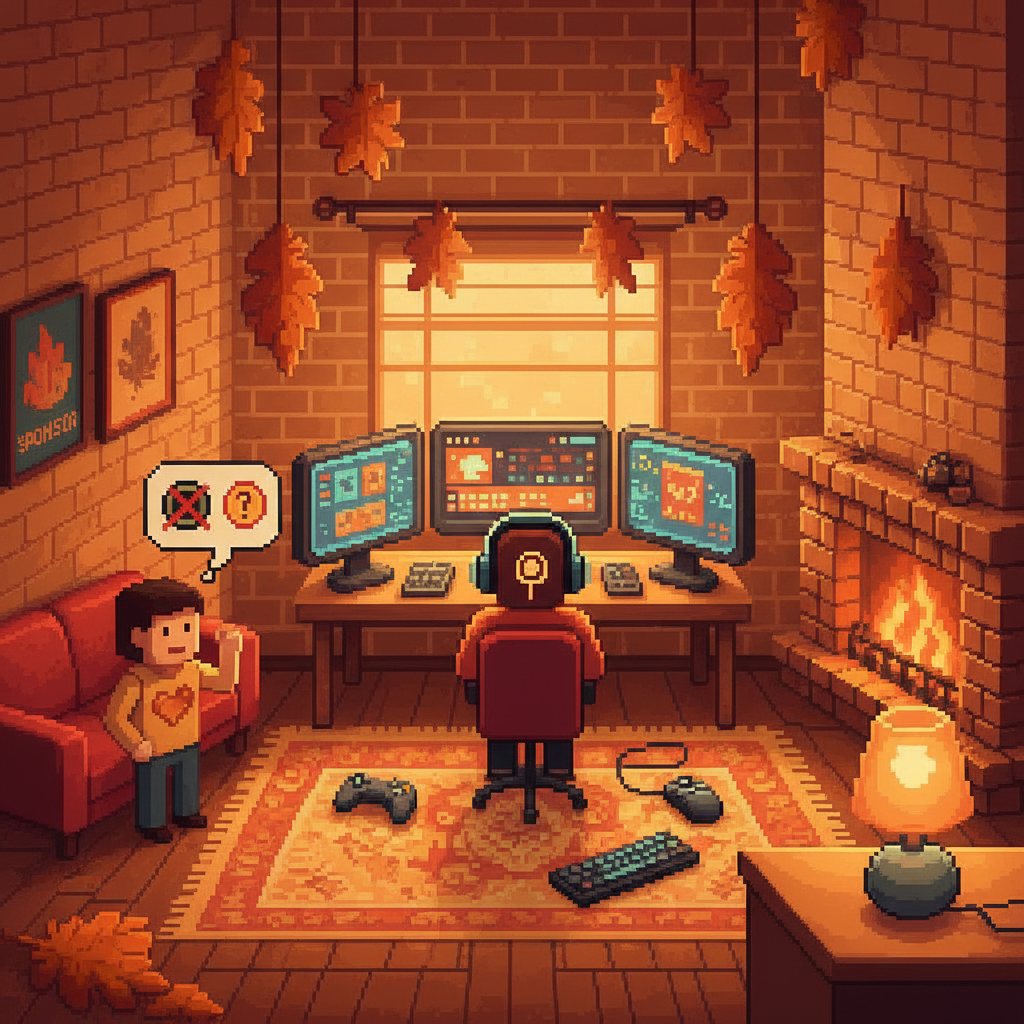
5 Misconceptions About Sponsoring Streamers Explained
Think sponsoring streamers is risky, fake, or impossible to measure? This myth-busting listicle breaks down five common fears—showing how thoughtful streamer partnerships drive authentic connections and clear ROI for brands new to gaming.
You don’t have to be loud to be seen
Myth 1: “Sponsoring streamers is only for tech or energy-drink brands with big budgets.”
I used to believe this too. The truth: gamers care about authenticity, not logo saturation. A regional retail brand or niche DTC product can win by working with mid-tier streamers who already match your audience’s lifestyle. Those creators bring tight-knit communities and higher engagement per viewer than a broadcast ad. Think long-term: a well-placed, heartfelt integration with a streamer who uses and likes your product often outperforms a one-off display ad.
Concrete example: a small coffee chain partnered with a community-focused streamer (avg. 5k viewers) for a weekend “cozy chill” stream. They offered a promo code and a small giveaway tied to in-chat engagement—result: meaningful coupon redemptions, uplift in weekend foot traffic, and several organic clips that kept bringing people in after the stream.
It’s not all unmeasurable “brand vibes”
Myth 2: “I can’t quantify the ROI of sponsoring streamers.”
You absolutely can. Metrics are richer than impressions: watch time, unique chatters, click-throughs on tracked links, promo-code redemptions, and incremental sales lift. Layer qualitative measures—sentiment in chat, clip virality, branded moments saved to VODs—to tell the story behind the numbers.
Practical setup: a tracked promo code, a UTM on links, and a simple post-campaign survey for viewers. Combine those with viewership analytics and you’ll see direct, attributable outcomes plus the longer-term lift in brand favorability.
Streamer audiences are risky, not brand-safe
Myth 3: “The gaming space is too edgy or chaotic for my brand.”
Yes, gaming covers a wide spectrum—from family-friendly speedrunners to late-night banter streams. The trick is audience selection and clear creative guardrails. Vet creators for brand-fit: review clips, read chat culture, and set expectations on language and product placement. Most platform partnerships include moderation tools and chat filters you can require.
Remember: risk isn’t eliminated by staying invisible. A careful, values-aligned partnership with a creator can present your brand as relatable and modern to an audience that trusts that creator’s recommendations.
It’s all one-off endorsements, not relationships
Myth 4: “Sponsoring streamers feels transactional—cheap shout-outs that don’t build loyalty.”
Good sponsorships are conversations, not interruptions. Streamers who genuinely enjoy and use your product create recurring brand affinity, not a single mention. Plan ongoing storylines: a multi-stream series, co-created product content, or community contests. These build narrative arcs around your brand that feel organic to viewers.
Example tactic: instead of a single shout-out, sponsor a weekend charity event the streamer hosts. You get sustained on-stream time, behind-the-scenes content, and positive association tied to real outcomes—not just a 10-second mention.
It’s hard to scale without losing authenticity
Myth 5: “You can either do authentic small partnerships or massive, scalable campaigns—but not both.”
You can scale thoughtfully. Mix tiers: anchor your campaign with a few mid-to-large streamers for reach, and layer dozens of micro-creators for community depth. Micro-creators (1k–20k followers) often produce the highest engagement per dollar and can create many personal touchpoints across regions or niches.
A simple structure: a flagship streamer hosts a live showcase while a fleet of micro-creators run localized watch parties, product demos, or themed challenges. Use a common creative brief and flexible execution guidelines so each creator adapts the message authentically to their audience.
What to do next (no marketing-speak)
- Start small: pick one measurable objective—awareness, leads, or conversions—and one tracked activation (promo code or UTM link).
- Find 3 creators who naturally align with your brand; watch a few streams; ask for a creative brief of how they’d integrate your product.
- Plan a 4–6 week rhythm: teaser, live activation, follow-up content, and measurement review.
If you want, tell me what product you manage and who you’re trying to reach (age, region, lifestyle) and I’ll sketch a 3-step starter plan with estimated audience sizes and measurable KPIs. I’ll keep it practical and low-budget so you can test without sweating it.
Ready to Join
the Raid?
Streamers earn points & rewards.
Brands get 3 months of real reach.