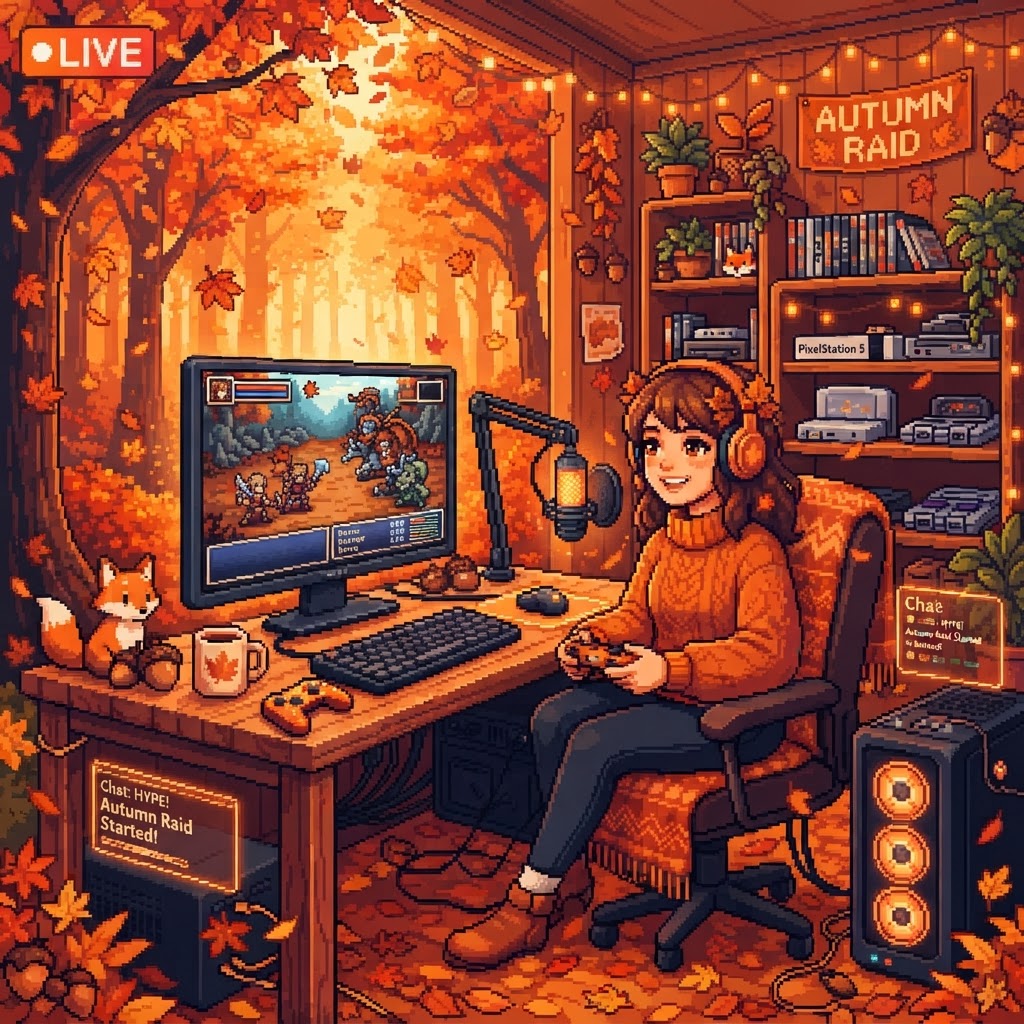
My First Brand Deal: A Day Behind the Autumn Raid Scenes
A candid day-in-the-life from a mid-sized YouTuber who landed their first brand deal through an autumn raid, showing how the campaign's structure turned negotiation anxiety into teamwork and community momentum.
My First Brand Deal: A Day Behind the Autumn Raid Scenes
7:00 a.m., coffee in hand, eyes glued to my phone. The DM from the brand rep wasn’t the nerve-wracking “please read our 15-page contract” kind I expected. It was a short, human note: “Maya here, excited to work with you. Quick call at noon?” That one line changed the whole day.
Morning: small wins, smaller panic
My channel sits at 42,300 subscribers, and I average about 210 concurrent viewers on my streams. That makes me visible enough to feel hopeful, but small enough that every contract clause makes my stomach flip. The campaign I joined bundled a two-page creative brief, a media kit template, and a one-page rights checklist. Suddenly, instead of inventing deliverables, I had a map.
Maya, the brand rep, introduced herself in our Discord, and she sounded like a fan first, then a partner. She explained the giveaway plan: the publisher provided 100 game keys, and we were encouraged to distribute them across stream giveaways and the raid. That specific, concrete detail removed a lot of the “what if” scenarios floating in my head.
Noon: the quick call that mattered
On the call, Maya spent the first five minutes asking about my channel vibe, my community inside jokes, and my typical stream pacing. She did not rattle off KPIs. She said, “We want this to feel like your stream.” Then she walked me through the campaign’s standard deliverables, the payment timeline, and the creator support channel. Having a named person, a template contract, and a guaranteed payment schedule made negotiating feel like a conversation instead of a test.
She also introduced me to a campaign coordinator who offered a 30-minute onboarding: overlay pack, approved language for the sponsor mention, and a UTM link for tracking. The coordinator told me the campaign would place me in a coordinated raid list for the night, and that the technical part would be handled centrally. That safety net is what made my next step possible.
Afternoon: prepping without spiraling
Instead of rewriting my whole stream, I adjusted. I loaded the overlay assets, set up chat commands for the giveaway, and wrote a short sponsor read I could deliver naturally. The campaign’s two-page brief had exactly the bullet points the brand cared about, and nothing more. That clarity let me keep the stream authentic.
I also practiced the giveaway script with my partner, who pretended to be an audience member asking the classic questions. We rehearsed how to present the keys, how to transition into the sponsor mention, and how to trigger the raid countdown at the end. Concrete, rehearsed moves helped me avoid fumbling on stream.
Evening: showtime, with friends
At 7:00 p.m., the stream began like any other. I talked about my day, played an indie co-op title, and dropped the sponsored segment around the mid-point. I kept the read conversational, mentioning that the publisher had sent keys for viewers, and that we were giving away 20 live. People appreciated that the giveaway wasn’t a sales push, it was a way to share the joy.
When the raid countdown started, the campaign coordination made the technical side trivial. A moderator I had never met handled the cross-channel queue, and the link redirected to the brand landing page with UTM tags, so the brand could see traffic without asking me to do anything complicated. The raid felt like throwing a party where everyone already knew the playlist.
My community response surprised me: viewers who had never reached out before sent screenshots of the giveaway notifications, and several longtime lurkers unmuted to cheer. The brand rep popped into the Discord for ten minutes after the stream, thanked people, and shared a behind-the-scenes gif of the team dancing at their office. That human touch turned a transaction into a memory.
Aftermath: numbers, and better feelings
I checked the quick analytics the next morning: more clicks than I’d expected on the campaign link, and a noticeable uptick in chat engagement that night. The exact metrics are less important than the peace of mind I felt. Payments were on the schedule the campaign had promised, the usage rights were clear, and I did not have to invent my own contract clauses.
The real win was less about the conversion rate, and more about confidence. I now have a simple template for future deals, a name in the industry who knows my style, and a short list of community-tested moves that work on stream. The campaign’s structure acted like a safety net: it caught the transactional anxiety and let the human side of streaming breathe.
One day, one deal, a clearer path forward
If you are a small-to-mid creator nervous about your first brand partnership, know this: you do not have to figure everything out alone. Templates, a coordinator, and a teammate in the brand rep can turn an intimidating negotiation into a normal conversation. The giveaway keys, the two-page brief, and that ten-minute Discord chat were concrete things that made the difference for me.
If you want to see the two-minute sponsor read I used, or the checklist I ran before stream, send me a DM on X at @YourHandle, or drop a comment below. I will happily share what worked, what flopped, and the exact wording that calmed my nerves.
Ready to Join
the Raid?
Streamers earn points & rewards.
Brands get 3 months of real reach.