My Inbox Sat Empty Until I Stopped Acting Like an Agency
I spent months pitching brands like a faceless agency and hearing nothing back. Then a small, community-first raid collaboration helped me show up as myself, build trust, and land my first real gaming partner.
My inbox had become a graveyard of polite silence.
I had a spreadsheet with 47 brand contacts, three versions of my media kit, and a pitch template I kept calling “proven.” I changed the subject lines, polished the audience demographics, and carefully listed my average views. Still, most emails went unanswered. The few replies I received were some variation of, “We’ll keep you in mind.”
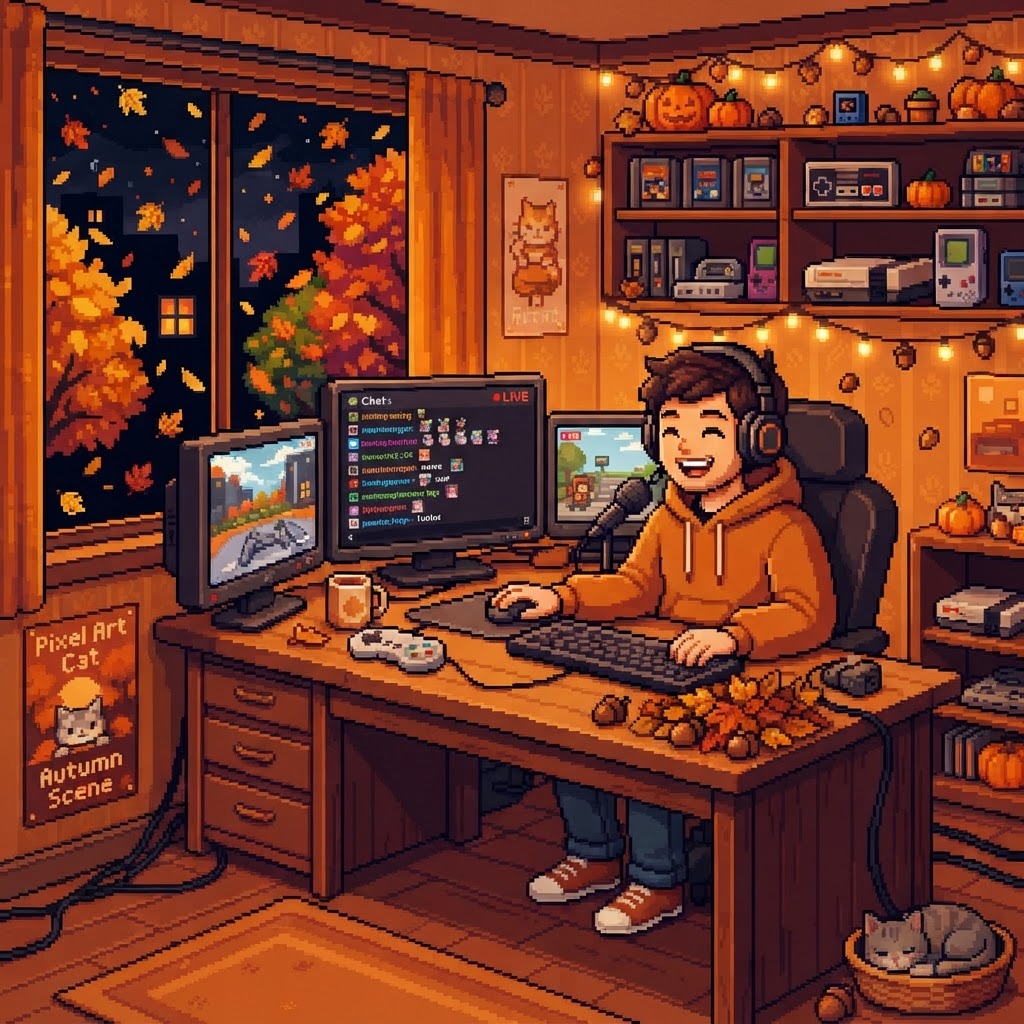
I was making videos for a small but loyal gaming audience, usually a few thousand views at a time. People showed up for the jokes, the late-night streams, and the way our Discord felt like a group of friends rather than a comment section. But when I tried to talk to brands, I hid all of that behind agency language.
I called my viewers “highly engaged consumers.” I called my streams “premium live content.” I described myself as a “full-funnel creator solution.” It sounded professional. It also sounded nothing like me.
The pitch that finally made me uncomfortable
One afternoon, I reread a sponsorship email before sending it and realized I could not imagine saying any of it out loud.
The pitch promised “authentic integration,” but I had not mentioned a single game my viewers actually played. It talked about reach, impressions, and conversion opportunities, but not the people who had been watching me struggle through the same boss for two weeks. I was asking a brand to trust me while presenting a version of myself I did not trust.
That was the frustrating part. I thought I was being strategic. Really, I was acting like an agency with no clients and forgetting that my strongest asset was not a polished deck. It was the relationship I had already built with my community.
So I stopped sending the generic pitches.
Not permanently, and not because sponsorships suddenly became unimportant. I still wanted a partner. I just decided that my next opportunity had to begin with an actual conversation about the audience, not a transaction disguised as one.
A different kind of opportunity
That shift led me to the Fall in Love with Gaming autumn streamer raid campaign, running from September through November 2026.
Instead of treating the campaign like a billboard placement, I looked at it as a chance to do something my viewers already enjoyed: discover smaller creators, drop into their streams, and make a little noise together. The raid format felt natural because community support was already part of our routine. We had raided friends after streams before, usually with a chaotic message, a few inside jokes, and a lot of people saying hello at once.
I approached the collaboration in that same spirit.
I told the people involved who my audience was, what kinds of games we actually played, and what would not work for us. I did not promise that every viewer would buy something. I did promise that I would not interrupt a good community moment with a script that felt copied from someone else’s campaign.
For one raid, we moved from my stream into a smaller creator’s channel after a co-op session. There were 86 of us watching when we arrived. Within a few minutes, the chat was introducing itself, asking the streamer about their setup, and sharing recommendations for games we could play together. It was not massive. It was real.
That distinction mattered.
Showing up as a creator, not a sales deck
I also made room for the brand to participate without taking over. We talked about why supporting emerging streamers mattered, how discovery works in gaming communities, and what makes a collaboration feel welcome instead of intrusive. I shared the campaign in my own words, including the fact that I was still looking for my first long-term brand partner.
That last part made me nervous. I had spent months trying to appear established enough to be sponsored. Admitting that I was still looking felt like exposing a weakness.
Instead, it made the conversation easier.
The brand team could see how I communicated with viewers, how I handled a quiet stream, and how I responded when plans changed. They were not only evaluating my follower count. They were seeing whether my values matched the kind of community experience they wanted to support.
A week after the final raid, I received an email that began, “We’ve been talking about what we saw.”
This time, the message did not ask me to send a media kit. They wanted to discuss an ongoing partnership.
What I learned before saying yes
Landing that first real partner did not happen because I discovered a secret pitch formula. It happened because I stopped trying to sound like someone brands were supposed to want.
For a small or mid-sized creator, that can be difficult. We are constantly encouraged to make our channels look bigger, more polished, and more marketable. But a first partner usually needs more than numbers. They need evidence that you understand your audience and can create a genuine experience around a product, event, or idea.
Before you pitch, ask yourself:
- What do my viewers come to me for that they cannot get from a larger channel?
- Which brands would genuinely fit the way my community already behaves?
- Can I explain the collaboration without using words I would never say on stream?
- What would success look like beyond clicks and impressions?
Then start smaller than your ego wants. A thoughtful introduction, a community event, or a raid with the right creator can tell a brand more about you than a glossy presentation ever will.
I still keep a media kit. I still track performance. I still care about delivering value. I just no longer mistake corporate language for credibility.
If you are waiting for your first brand partnership, try letting one potential partner see the person behind the channel. Tell them what your community cares about, invite them into something that already feels authentic, and leave room for an honest conversation. That is what finally opened my inbox, and it may be the most useful thing you can send from yours.
Ready to Join
the Raid?
Streamers earn points & rewards.
Brands get 3 months of real reach.