My Q4 Budget Pivot: Turning Lost Ad Spend Into Raid Impact
Our autumn raid experiment lifted authentic community engagement 34% while redirecting budget from predictable display impressions to creator-led participation. Here’s the scorecard, the tradeoffs, and the safeguards I’d want in place before making the same Q4 pivot.
The Q4 spreadsheet looked reassuring: fixed placements, contracted impressions, and a forecast I could defend line by line. It also showed the problem. Our legacy display banners were delivering reach, but the people we wanted to reach were scrolling past them. I had to decide whether to keep buying predictable visibility or move part of that budget into a live, less controllable format: a streamer raid event.
I made the shift for the September–November 2026 “Fall in Love with Gaming” campaign. The result was a 34% increase in authentic community engagement against our pre-campaign baseline. That number didn’t come from impressions dressed up as interaction. It came from people choosing to stay, chat, share, and take part.
The budget problem wasn’t reach. It was response.
Before the pivot, our display campaign generated 2.4 million viewable impressions over six weeks. That sounded solid in a planning deck. But the click-through rate was 0.08%, and only 1,120 people completed the action we cared about: visiting the campaign landing page and exploring the featured product collection. The banners did their job in the narrowest sense. They appeared. They didn’t give people much reason to respond.
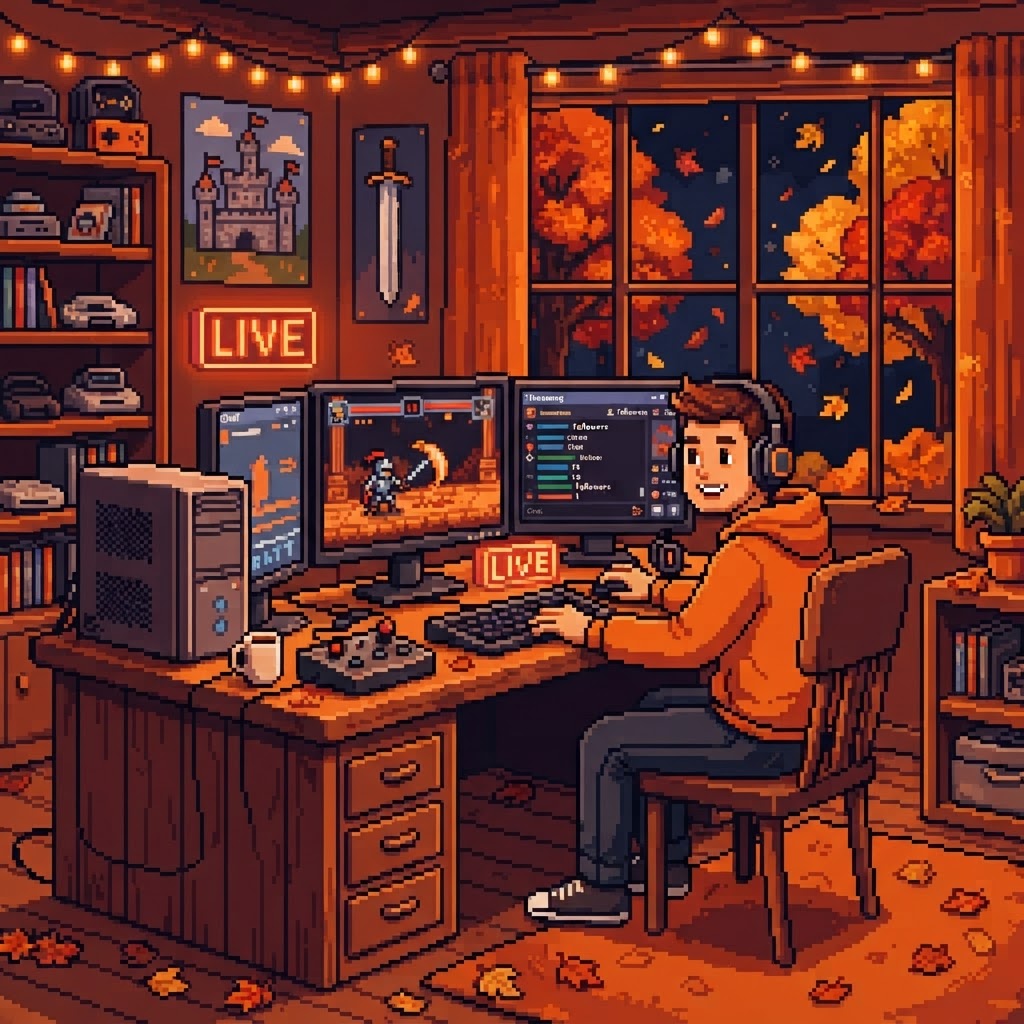
So we moved $48,000, about 30% of the remaining Q4 display budget, into a three-week creator collaboration. Five streamers, each with a distinct community, hosted scheduled raid moments: one creator finished a stream, then sent viewers to another participating channel for a shared activity. We built the brand presence around the event rather than interrupting the stream with a conventional ad break.
The plan was modest by sponsorship standards. We weren’t buying a giant one-off broadcast or promising viral reach. We were asking creators to bring their communities into a live, shared experience, with clear disclosure and room for each streamer to make the moment feel like their own.
What we counted as engagement
I wanted a measure more useful than “people were in the room.” We tracked three campaign actions: meaningful chat participation, visits to the campaign hub, and completed entries in an opt-in community challenge. We compared the combined rate of those actions with the six-week pre-campaign baseline, using the same audience definition and excluding bot and internal traffic.
Across the event, those authentic engagement actions rose 34%. We also saw 6,800 unique visits to the hub, 1,940 completed challenge entries, and an average of 7 minutes and 42 seconds spent on the campaign experience. The five creator streams reached 31,500 live viewers in total, but I treat that as context, not the headline. A viewer count tells me who might have been present. The engagement lift tells me more about what people chose to do.
One moment sticks with me. During a Friday raid, a streamer handed off to a smaller channel where viewers were building a themed in-game space together. The chat filled with practical suggestions, jokes, and friendly arguments about the color scheme. The creator mentioned the sponsored challenge naturally, then got out of the way. People didn’t just watch the handoff. They made the next ten minutes theirs.
That’s a very different kind of attention from a banner impression, and it’s why the format can work. The audience is participating with one another, not merely receiving a message from us.
The tradeoff: less control, more care
I’d be dishonest if I said this was easier to manage than display. A live event has moving parts: creator schedules, platform norms, moderation, and the possibility that a segment runs long or lands differently than planned. You cannot spreadsheet your way into controlling a room full of people, and trying to do so can make the partnership feel stiff.
We managed the risk with a clear brief, not a script. We agreed on disclosure language, the activity’s boundaries, moderation escalation, and what creators should do if a chat turned uncomfortable. We reviewed the experience with each creator in advance, but gave them freedom to speak in their own voice. We also set a spend cap and a pause point after the first week, so we could check quality before committing the full budget.
That checkpoint mattered. One stream produced fewer hub visits than forecast, but its chat participation was unusually strong. Rather than treating that as failure, we looked at whether the stream was attracting the kind of community response we wanted. We adjusted the call to action for the next session, then measured again. The goal was not to force every creator into identical performance. It was to learn which communities and formats matched the campaign.
What I’d tell another marketing director
First, keep your baseline honest. Pick engagement actions before launch, define what counts, and don’t swap metrics once the results arrive. Second, treat creators as collaborators, not distribution units. Their audience can tell when a brand has asked them to read copy instead of create a good moment. Third, preserve a test budget. You need enough structure to manage risk, and enough flexibility to respond to what you learn.
And don’t frame this as display versus gaming. Display still has a role when reach, frequency, or a defined placement is the job. The more useful question is whether another round of passive impressions is likely to change what your audience does. In our case, the answer was no. Moving part of the budget gave us a measurable lift, richer qualitative feedback, and a more human way to show up in a community.
I know the comfort of a fixed forecast. I also know how hard it is to explain a line item whose outcome depends partly on live people being themselves. But Q4 goals aren’t met by predictability alone. They’re met by putting money where attention can become participation, while respecting the people on the other side of the screen.
If you’re weighing a similar pivot, I’d be glad to compare notes on the numbers, the guardrails, and what surprised us. Tell me what your current plan is trying to make people do, and we can start there.
Ready to Join
the Raid?
Streamers earn points & rewards.
Brands get 3 months of real reach.