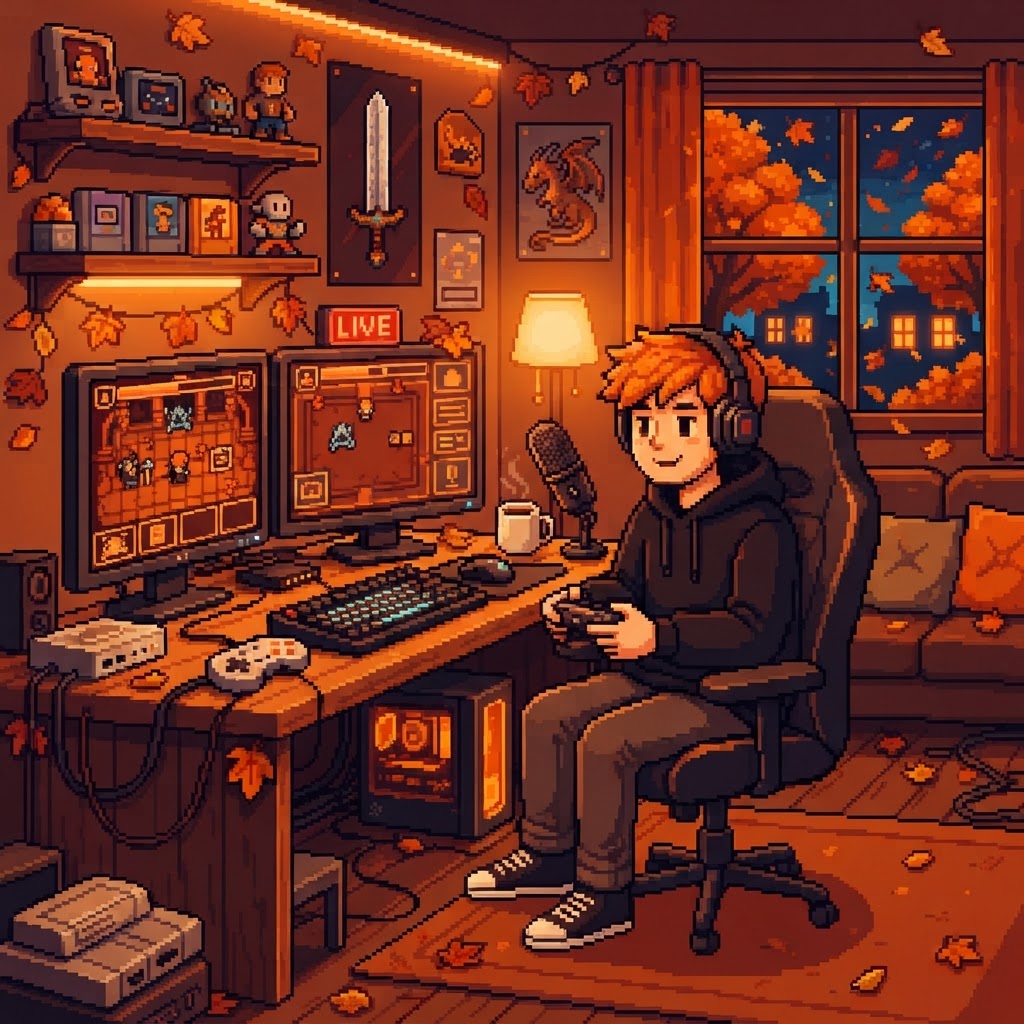
I Recorded My First Raid: What Actually Happens Off-Camera
Your first brand raid doesn’t have to look polished behind the scenes. Here’s what the setup, awkward questions, and last-minute tech checks can really look like, and how to make sure you stay in control.
The first time someone asked if I wanted to take part in a brand raid, I reread the message three times. Was I meant to say something scripted? Would a producer be watching my stream? What if the game crashed right when I was supposed to hand my viewers off?
If you’re a small or mid-sized creator weighing your first partnership, those questions are normal. The less visible part of a raid can sound mysterious from the outside. In practice, it’s mostly a conversation, a shared plan, and a few practical checks before you go live.
Before anyone talks about going live
A raid starts well before the stream. There’s a first chat about the idea, the timing, and what the creator is comfortable doing. For the Fall in Love with Gaming campaign, the basic shape is a creator-led stream that ends with a handoff to another participating channel. The creator’s voice and community remain central. This isn’t about turning your channel into a corporate script-reading exercise.
That first conversation is where you can ask the unglamorous questions: What exactly am I expected to say? How long should the stream run? Is there a required game or talking point? What happens if I need to reschedule? Who do I contact if something breaks?
You don’t need to phrase these perfectly. “Can you walk me through what the handoff looks like?” is enough. A good partner should be able to explain the plan in plain language, give you the relevant details, and make room for your boundaries. If anything feels unclear, ask before agreeing. You’re not being difficult; you’re trying to understand the work.
The messy middle: links, settings, and follow-ups
Once the idea is agreed, the logistics begin. This may involve confirming the date and time, checking the channel you’ll raid, sharing the right links, and making sure everyone understands the sequence. There can be a little back-and-forth. Someone may send a link with the wrong channel name. You may realize your usual stream slot conflicts with a family dinner. A calendar invite can land in the wrong time zone.
That’s ordinary coordination, not a sign that you’re bad at this.
For example, picture a creator with a 7 p.m. stream planned and a 90-minute window before they need to log off. The practical conversation might cover how much time to leave for the raid, what to tell viewers before the switch, and whether the destination channel will be live at the agreed time. Those small details help the ending feel natural instead of rushed.
The campaign team can help with campaign-specific instructions and coordination. You still bring the knowledge of your own setup: your schedule, your moderation needs, and the way your audience likes to be addressed. If you need captions, a particular contact method, or extra time to test a feature, say so early. Good planning is collaborative, not a test of how much you can figure out alone.
The tech check is not an audition
A technical check can sound intimidating if you’ve never done one. It’s usually much less dramatic than the phrase suggests. You might confirm your stream settings, check that your audio is clear, test any links or overlays you plan to use, and verify the destination channel before the raid. The point is to catch avoidable surprises while there’s still time to fix them.
Keep the test simple. Open the relevant page. Confirm the channel name. Check that your microphone and game audio are balanced. If you use a scene or overlay for the handoff, make sure it appears as expected. You don’t need a studio-grade production rig to participate. A reliable connection, understandable audio, and a clear plan matter more than fancy transitions.
And sometimes a test fails. A link redirects strangely, an overlay refuses to load, or your audio sounds like you’re speaking from inside a cardboard box. That’s exactly why you check. Pause, describe what you’re seeing, and ask for help. Nobody benefits from pretending a problem isn’t there until you’re live in front of your chat.
What happens on stream
The live portion should feel like your stream, because it is your stream. You can let your viewers know what’s coming in your own words, finish the game or conversation you’re in, and make the handoff when the agreed moment arrives. If the plan includes a specific disclosure or mention, use the wording you’ve been given, and make sure it sounds clear to your audience.
The raid itself is a familiar platform action for many viewers: you send your community to another live channel. The human part is the transition. Give your audience a little context about where they’re headed, and don’t feel pressured to manufacture a huge emotional speech. A warm, honest send-off is enough.
If something slips, communicate. If you’re running late, message your contact. If the other channel isn’t ready, don’t improvise a new plan without checking. The team can help coordinate the handoff, but no setup makes live streaming perfectly predictable. That’s okay. The goal is a clear, respectful experience, not a flawless performance.
After the stream, keep the useful notes
Once you’re offline, take a minute to write down what worked and what you’d change next time. Was the timing comfortable? Did viewers understand the raid? Did you have the right contact when a question came up? A quick note now makes your next partnership easier to evaluate and negotiate.
You’re allowed to ask about the terms, the deliverables, and how the partnership will be represented. Read the details before you commit, and keep a copy of what’s agreed. A brand collaboration can be professional without feeling stiff, and friendly without leaving important expectations vague.
If you’re considering your first raid this autumn, start with one honest question: “Can you show me the steps from setup to handoff?” Then bring your real schedule, your real concerns, and the way you actually talk to your community. The behind-the-scenes work may be a little messy, but you don’t have to know everything before you begin. You just need room to ask, a plan you understand, and people willing to make it with you.
Ready to Join
the Raid?
Streamers earn points & rewards.
Brands get 3 months of real reach.