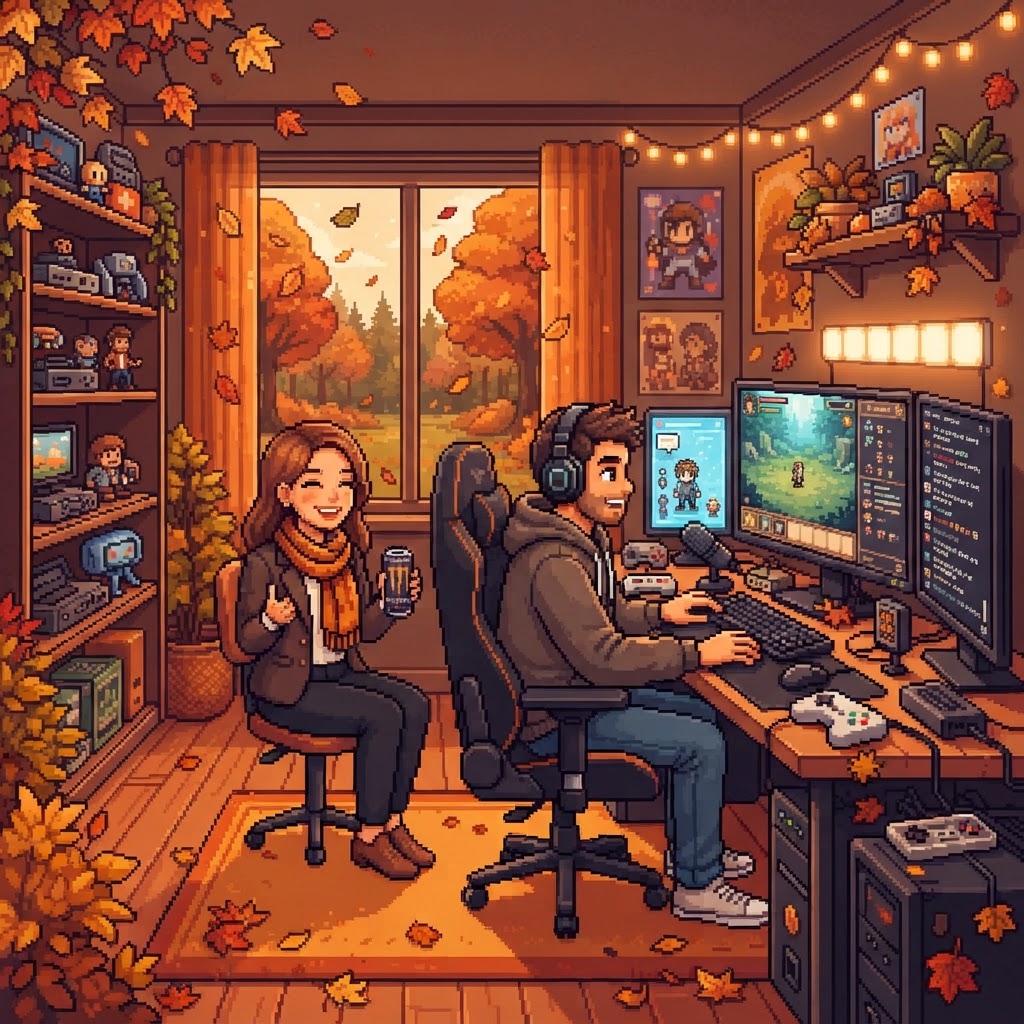
I Let a Sponsor Into My Green Room During the Raid
If your influencer campaigns end when the creator reads the brief, you may be missing the moment viewers actually feel the connection. Step inside a raid day to see how an honest, well-run sponsor collaboration can earn attention without interrupting the stream.
At 3:18 p.m., my stream is still an hour and forty-two minutes away, and I’m already looking for the HDMI cable I put somewhere sensible last week.
The desk is a tangle of charging cords, yesterday’s mug, and notes for the raid. In the kitchen, the coffee machine is making a noise like it has a grudge. On my second monitor, chat is quiet because chat is not open yet. This is the part of a gaming campaign that doesn’t fit neatly into an ad slot: the small, ordinary work of getting ready to show up for people.
Today, Maya from our sponsor team is here to see it for herself.
3:25 p.m. | The green room is a real room
I call it the green room because that sounds better than “the corner where I keep the spare controller.” Maya takes a seat beside the mic stand while I check the stream layout. There is no crew bustling around, no polished set, and no secret script taped to the wall. Just me, a producer on voice chat, and the running list of things that could go wrong.
We talk through the plan. I’ll play for a while, check in with viewers, then raid another participating streamer before the night ends. The sponsor has a role in the campaign, but the stream still needs to sound like my stream. We agree on what I’ll say, what viewers will see, and which claims need to stay factual. Maya asks what happens if chat takes the conversation somewhere unexpected.
“We follow the room,” I tell her. “We don’t pretend chat is a brochure.”
That’s the first useful distinction between a traditional ad buy and a collaborative gaming campaign. The brand brings something to the table, but it doesn’t get to take over the table. The creator knows the audience, the format, and the boundaries. Good planning makes room for both.
3:42 p.m. | The checks nobody clips
I test the mic. The first recording sounds like I’m broadcasting from inside a cardboard box. I move the mic six inches, adjust the gain, and try again. Maya watches me swap a battery in the controller and set a glass of water within reach. These aren’t glamorous moments, but they matter: a clear voice and a comfortable streamer make it easier for viewers to settle in.
Then we review the sponsor integration. No surprise talking points, no demand that I interrupt a tense match to read a paragraph. We settle on a natural mention near the start, plus a brief explanation of why the sponsor is supporting the raid. If the game gives us a good opening to mention it again, great. If not, the audience still gets the information without the stream turning into a commercial loop.
Maya asks how we’ll know whether it worked. We talk beyond impressions: whether viewers stayed, whether they joined the raid, what questions they asked, and how the conversation felt. Those signals don’t replace campaign reporting. They add context to it. A viewer who understands why a brand is in the room is more likely to remember it than someone who only sees a logo flash past.
4:10 p.m. | The part that is actually unscripted
A friend messages to say they may have to miss the stream. The producer spots a typo in the raid card. I realize I’ve scheduled the snack break for the exact moment I’m supposed to explain the campaign. We fix the card, move the break, and make a note to check in with the other streamer before we go live.
This is the backstage of a raid: coordination, quick decisions, and people looking out for one another. It’s also where trust gets built. The other streamer isn’t a destination on a marketing map. They’re a person whose community we’re asking to welcome us. We confirm the timing, ask what they’re comfortable with, and make sure the handoff won’t catch them off guard.
Maya sees that a raid is more than a button press. It’s a public gesture of support, and the people watching can tell whether it feels genuine. If we treat the next streamer as a prop, viewers notice. If we make the introduction thoughtfully and give their community room to respond, the moment can feel like what it is: one group of people showing up for another.
4:55 p.m. | The green light
The stream goes live. I welcome everyone, explain the plan in my own words, and thank the sponsor for helping make the night possible. The chat answers with a mix of greetings, game questions, and one perfectly timed joke about my cable situation. Maya is still nearby, but she isn’t directing the show. She’s listening.
Later, when it’s time to raid, I tell viewers where we’re going and why I’m excited to send them there. We count down together, the screen changes, and the next streamer greets a room that has arrived with a little context instead of a cold splash of traffic. That handoff is brief. The relationship around it is not.
By the time we wrap, Maya has seen what a campaign report can’t show on its own: the headset adjustment, the careful wording, the chat joke, the check-in with a fellow creator, and the moment a community decides to come along. None of that means every stream will be flawless or every viewer will become a fan of the sponsor. It means the brand has a chance to participate in something people are already choosing to share.
If you’ve done influencer deals but never tried a raid campaign, start by visiting the green room before you write the brief. Meet the creator, ask what their audience values, and plan the handoff together. I’d be glad to show you what that looks like on a stream day, cables and coffee included.
Ready to Join
the Raid?
Streamers earn points & rewards.
Brands get 3 months of real reach.