Why I Stopped Buying Impressions and Started Building Tribes
A marketing director confesses burnout from chasing programmatic impressions, and shares how investing in live gaming communities delivered deeper loyalty, measurable engagement, and renewed creative energy. Read a practical, first-person account of shifting spend from hollow metrics to real human connection.
I remember the night I finally quit counting impressions like they were votes of confidence. We had bought 120 million programmatic impressions for a fall product launch, and our conversion rate sat at 0.03%. My dashboard lit up with green KPIs, but our customer service inbox told a different story: blank looks, no social buzz, and returns that suggested people had clicked, but never cared.
I was burned out. After eight years of optimizing CPMs, negotiating viewability, and arguing about attribution models, I felt like an accountant of attention, not a builder of brands. I could model micro-segmentation until my eyes watered, but the work that used to make me love launch week felt hollow. I needed something that rewarded relationships, not just reach.
The moment that changed everything
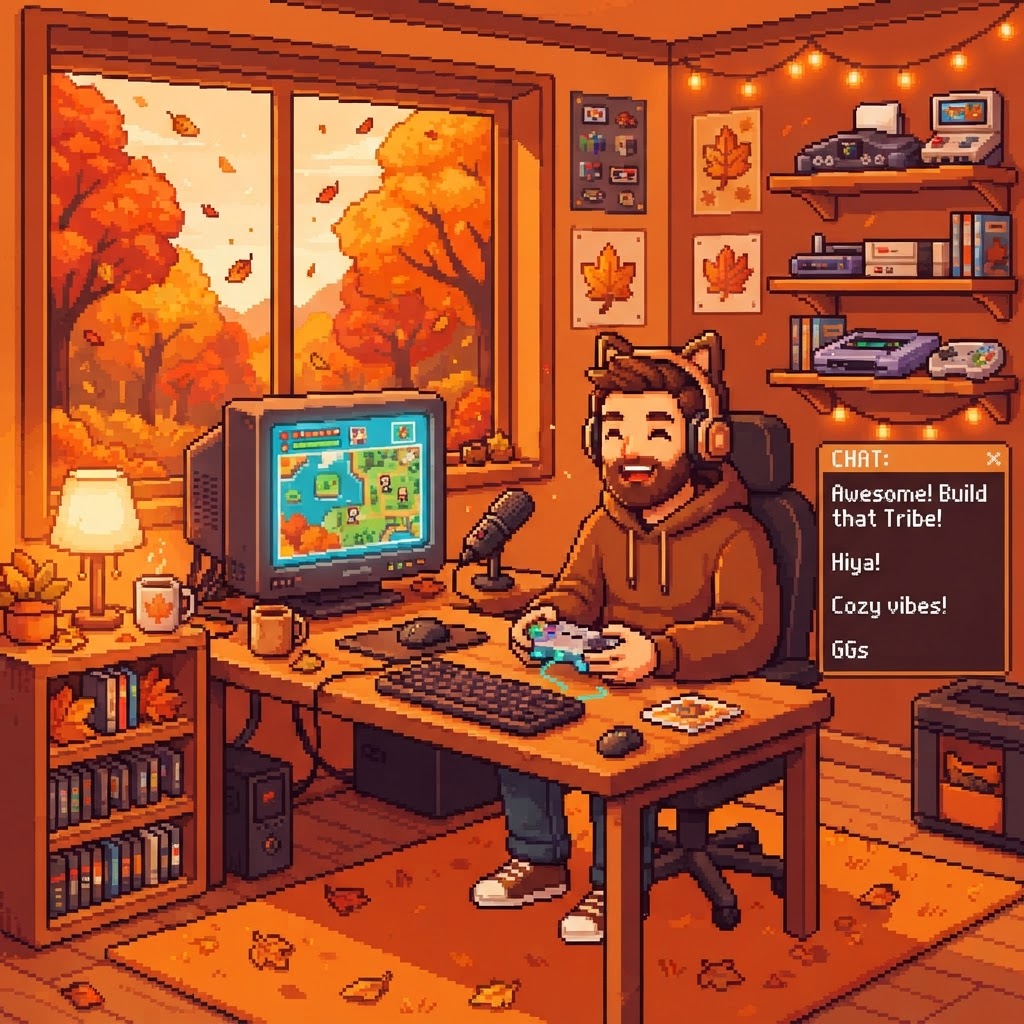
A colleague nudged me toward a Twitch stream the week before Thanksgiving. “Just watch for ten minutes,” she said. I told her I was slammed, but later that night I put on the stream while prepping copy. What I saw was chaotic, warm, and oddly familiar: a creator building jokes with viewers, a product mention that wasn’t a script but a story, and a raid at the end that felt more like a welcome party than a metric.
That raid was the turning point. The streamer, a mid-tier talent with 18,000 followers, hosted a 45-minute branded play session where our shoe prototype showed up organically as part of a challenge. The community typed 12,000 messages during the stream. Average view time was 37 minutes, and our landing page saw an 82% spike in traffic during the hour after the stream. Those numbers were small compared to 120 million impressions, but the engagement mattered in a different currency.
From hollow numbers to human signals
Programmatic advertising taught me to prize scale and efficiency, but it also trained me to ignore the human signals that actually predict loyalty. Chat velocity, creator endorsements said sincerely, repeat mentions during a stream, and fans showing products in subsequent clips: these are the behaviors that stack into tribes.
We ran a small experiment. Instead of a native display buy, we partnered with three streamers across different genres: one competitive gamer, one cozy variety streamer, and one creator known for weekend IRL streams. The brief was simple: let the creator tell their story with the product, and give viewers a reason to participate in the moment. We sponsored a charity mini-tournament, and we handed out discount codes that could only be used within 48 hours of the stream.
The result was messy and glorious. The tournament chat invented nicknames for the product, viewers shared screenshots of their purchases in the next stream, and our Discord filled with questions about fit, materials, and who else used them. Our promo code redemption rate, a metric I had never really cared about during programmatic buys, was 4.2% from that small live activation. That translated into an LTV that beat our typical programmatic cohort after three months.
Why this felt like relief
There is an ethical comfort to this work that I did not expect. When you sponsor a live creator, you are sponsoring their community, not just an inventory source. Creators care about their audience. They will push back if a creative idea feels false. That accountability forces brands to be better. It forces marketers to stop hiding behind segmentation and start telling stories that survive being told out loud.
I also found the human element made measurement more honest. Instead of debating whether a view lasted 1.5 seconds or 2.1 seconds, we tracked chat engagement, comment sentiment, repeat mentions across streams, and community-driven content. These are noisy metrics, yes, but they map directly to behaviors: product curious, product used, product championed.
The final bridge
This is why the fall activation felt like the last piece of my transition. It made it easy for an operations-focused marketer like me to keep the rigor of performance measurement, while leaning into the messier, richer outputs of community. The campaign helped us translate live moments into CRM actions, and into long-term retention strategies, instead of one-off spikes.
If you are reading this as a fellow marketing director who has felt that quiet exhaustion at the end of a quarter, know that shifting a portion of budget to human-first gaming sponsorships does not mean abandoning accountability. It means changing which behaviors you optimize for, and why those behaviors matter.
If you want to see the raw data, or sit through a stream with me and watch a raid turn strangers into buyers, reply to this note or DM me on LinkedIn. I will buy the virtual popcorn, and we can watch my old dashboard get jealous together.
Ready to Join
the Raid?
Streamers earn points & rewards.
Brands get 3 months of real reach.