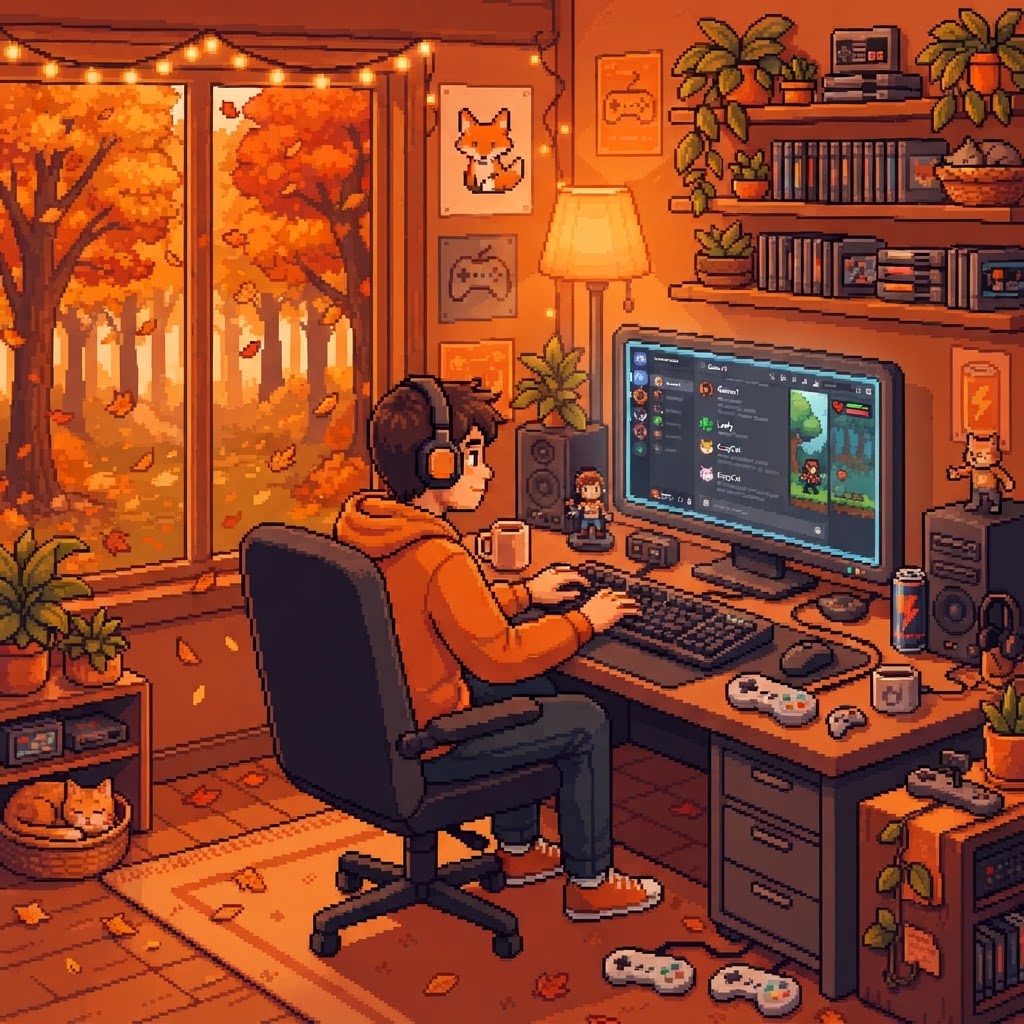
I Swapped My Ad Spend for a Seat in the Discord Chat
I was used to judging influencer campaigns by clicks, reach, and clean reports. Then I joined a streamer raid and discovered what those numbers miss: the trust that grows when a sponsor shows up, listens, and takes part in the conversation.
The first thing I worried about wasn’t the budget. It was what to say when someone in chat asked whether I actually played the game.
I’d spent years buying influencer placements, reviewing creator briefs, and refreshing dashboards after a post went live. I knew how to evaluate reach, views, clicks, and conversions. A gaming raid, though, meant stepping into a live community where people could see me, talk to me, and decide in real time whether I belonged there.
For a sponsor, that’s a different kind of exposure. There’s nowhere to hide behind a polished thirty-second spot.
The plan looked familiar, until it didn’t
Our team had been putting media dollars into the usual places: sponsored segments, creator integrations, and paid posts. Those campaigns had a role, and I wasn’t looking to throw them out. But we were preparing for the Fall in Love with Gaming streamer raid, running from September through November 2026, and I wanted to test something beyond a standard placement.
Instead of buying a message in front of a community, I asked whether we could join one.
The idea was simple: a group of streamers would raid another creator’s channel, bringing their viewers along. We’d sponsor the experience and participate in chat. No interrupting the stream with a hard sell. No pretending we were there by accident. Just show up openly, support the creator, and be part of the night.
Simple to describe. Weirdly hard to do.
My first five minutes in chat
I joined early, before the raid began. The chat was already moving, full of people trading game recommendations and teasing the streamer about a questionable loadout. I typed a hello, deleted it, typed another, and finally sent something honest: “First raid for me. I’m here with the sponsor team, and I’m mostly trying not to embarrass myself.”
That got a few laughs and a handful of welcome messages. Then someone asked what games I played. I named one I genuinely liked, and another viewer immediately recommended a co-op title I’d never tried. The conversation moved on without waiting for me to deliver a brand message.
That was the part I hadn’t planned for. The room didn’t revolve around us, and it shouldn’t have. We were guests in a space with its own language, jokes, and pace. My job was to pay attention before deciding I had something useful to add.
When the raid landed, the chat surged. One minute, I was reading messages at a manageable pace. The next, the creator was welcoming a wave of new viewers, and the regulars were explaining an in-game challenge to the newcomers. I watched people who had never met coordinate like they’d been on the same team for months.
There was no ad slot that could have captured that feeling. We hadn’t purchased attention in the abstract. We were present while people made something together.
The metrics told one story. The conversation told another.
We still measured the campaign. We tracked attendance, chat activity, stream performance, and the usual indicators of sponsor visibility. Those numbers mattered. They helped us understand whether the event reached people and gave our team a way to report on the investment.
But the dashboard couldn’t tell me why someone stayed after the raid to ask what our team did, or why a viewer came back the next week and greeted us by name. It couldn’t show the shift from “brand in the chat” to “person who was here last time.”
A traditional media buy is designed to deliver a message efficiently. A raid adds something less tidy: people can respond, ignore you, joke with you, or decide they’re curious. That uncertainty is uncomfortable for a sponsor used to controlling the placement. It is also where the human part begins.
The lesson wasn’t that ads are cold and community is automatically warm. A sponsor can make a raid feel just as transactional if it barges in, dominates the conversation, or treats viewers like leads to harvest. Presence only counts when it comes with respect.
What I’d tell another sponsor
If you already work with creators, you have a head start. You likely understand that trust belongs to the creator and their audience, not to the brand that pays for a placement. A raid asks you to carry that understanding into a live space, where the best move may be to listen, support the streamer, and let a conversation develop naturally.
Go in with a few clear boundaries. Be transparent about who you are. Agree with the creator on how the sponsor will participate. Don’t pressure anyone to engage, and don’t turn every question into a pitch. If you make a mistake, own it plainly. Most importantly, show up for the community, not just for the screenshot you’ll put in a recap deck.
I still care about impressions and conversion rates. I still want our campaigns to work. But after that first raid, I stopped thinking of participation as a softer version of advertising. It’s a different kind of commitment: one that asks you to be there, be a person, and accept that trust can’t be bought on a schedule.
If you’re curious about trying a raid this fall, come in as a guest, not the main character. I’d be glad to meet you in chat, trade a game recommendation, and tell you what I wish I’d known before my first hello.
Ready to Join
the Raid?
Streamers earn points & rewards.
Brands get 3 months of real reach.