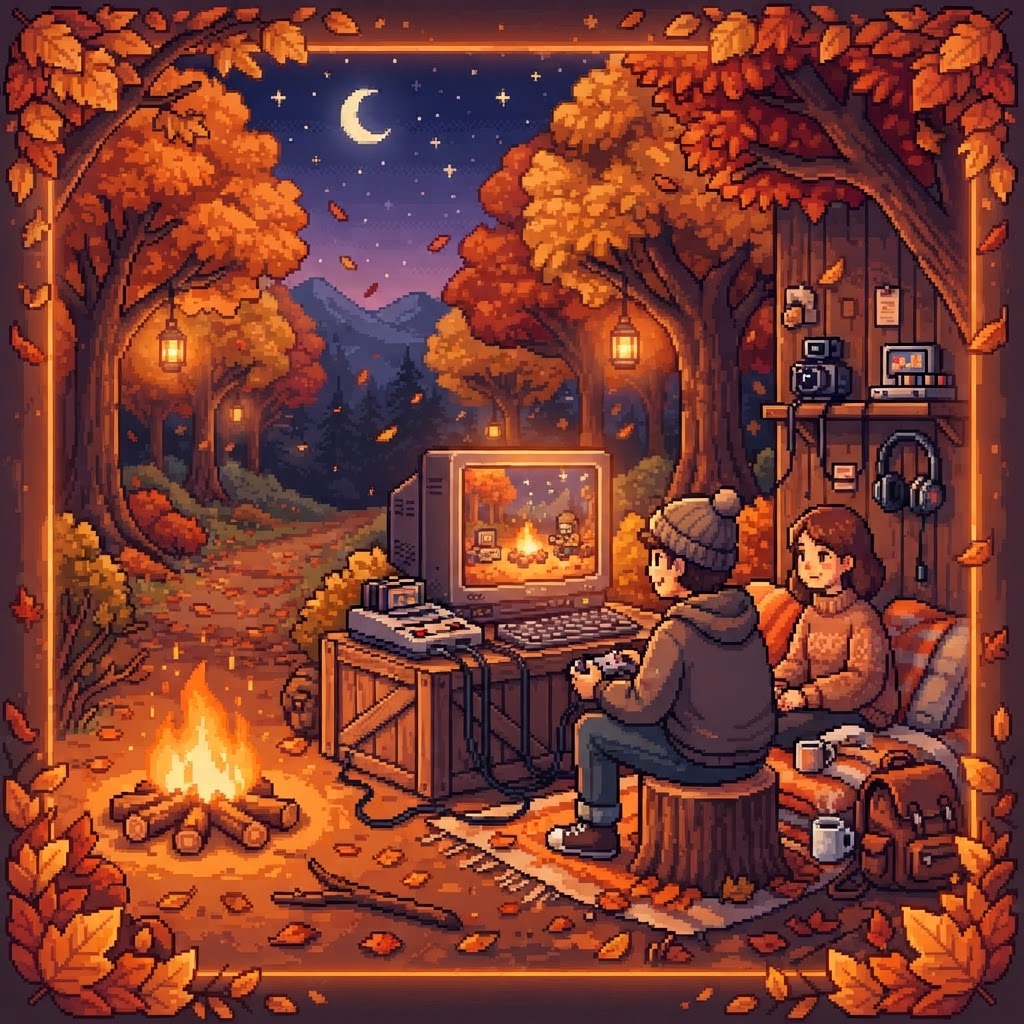
Your TikTok Feed Is A Graveyard, Go Build A Campfire
Your best TikTok ad may be the one that doesn’t look like an ad at all. For gaming creators ready to take their communities cross-platform, here’s why a collaborative raid can beat another polished spot.
Your last three sponsored TikToks looked immaculate. The lighting was perfect, the gameplay capture was crisp, and the product mention landed right on cue. Then the comments went quiet, the watch time dipped, and your viewers scrolled on.
You know that feeling. You worked hard to make the ad fit, but it still felt like a visitor who showed up, talked over everyone, and left before the conversation got good.
That is the problem with the polished spot: it asks people to stop being part of a community so they can watch a pitch. TikTok is full of those interruptions. Your audience does not need another glossy message. They need a reason to stay.
Stop staging the campfire
A good gaming stream is not a commercial break. It is a place people return to because the chat has its own jokes, the streamer recognizes familiar names, and something unexpected might happen at any moment. It is messy, social, and alive. The technical term for that is “the reason people keep watching.”
A streamer raid takes that energy and passes it on. One creator brings their viewers into another creator’s live space, and the audience arrives with context, curiosity, and a reason to participate. Nobody has to pretend the interaction is a TV spot. The community is the event.
That is the idea behind the Fall in Love with Gaming autumn streamer raid campaign, running September through November 2026. Rather than asking a brand to wedge itself into a creator’s feed, the campaign creates a shared space where creators, viewers, and brands can actually coexist. The brand can be part of the moment without becoming the whole point.
Viewers can tell when the room is staged
You do not need a dashboard to know when a post has lost the room. The hook lands, the sponsor line arrives, and the audience disappears before the payoff. A polished ad can be beautifully made and still feel like an interruption. Production value is not the same thing as trust.
Compare that with a live raid. Your regulars arrive together, spot the unfamiliar faces, and start introducing themselves in chat. The host welcomes them, the conversation swerves into a game moment, and the brand gets to show up in that shared experience rather than demanding a pause in it. Maybe someone asks how a setup works. Maybe viewers start a friendly challenge. Maybe the best moment is an unplanned joke that becomes a clip the next day.
That moment will not always be neat. Good. People do not come to a stream for the same experience as a perfectly paced 15-second spot. They come for the possibility of something happening with other people there to witness it. Participation gives them a reason to stay that a slogan cannot provide.
This is a creator’s format, not a brand’s disguise
A raid is not a polished ad wearing a headset. It is an invitation to build something with another creator. That distinction matters, especially if you have spent years protecting the relationship you have with your viewers.
You do not have to flatten your voice into approved talking points or perform enthusiasm on command. You do need to be honest about the partnership, agree on boundaries, and make sure the experience fits your channel. Then bring your actual self: your timing, your chat rituals, your slightly chaotic energy when a match goes sideways.
The other creator brings their own community and customs. The brand contributes support, a product, or a prompt that belongs in the experience. Viewers contribute what makes the room real: reactions, questions, playful rivalries, and the occasional backseat gamer convinced they could have made that play.
That is co-existence. Nobody has to disappear for the sponsor to appear.
Trade ad anxiety for shared momentum
If cross-platform work has made you nervous, start with the question you would ask about any collaboration: will this feel good for my audience? Find out who is joining, what the stream is meant to do, how the brand will participate, and what you can say in your own words. Talk through the handoff with the other creator before you go live. Leave room for improvisation, but do not leave expectations vague.
Then think beyond the live moment. A raid can create a trail of content: the arrival, the chat’s first reactions, a clutch play, a creator-to-creator exchange, and a post-stream clip that makes people want to catch the next one. You are not trying to manufacture a viral moment. You are giving a real moment a few different ways to travel.
No format guarantees conversion, and no campaign can promise every viewer will stick around. But if your traditional ad spots are losing people before they reach the point, it is worth asking whether the problem is your delivery or the interruption itself. A shared experience gives attention somewhere to go: into the chat, into the game, and into a relationship that can continue after the stream ends.
Bring a log, not a script
This autumn, try making less of a spot and more of a gathering. Set up a raid with a creator whose community you genuinely want to meet. Give viewers something fun to do together. Let the brand support the experience without taking it hostage. Be clear about the partnership, then trust the room enough to let it breathe.
TikTok does not need another graveyard of perfectly edited ads people watched with the sound off. Gaming creators already know how to make a room feel worth staying in. Take that instinct across platforms, invite another community in, and build a campfire big enough for both chats.
If you are curious about joining the September-to-November raids, start by reaching out to a creator you would actually enjoy sharing a lobby with. Compare notes, bring your audience into the plan, and make something together that neither of you could have made alone.
Ready to Join
the Raid?
Streamers earn points & rewards.
Brands get 3 months of real reach.