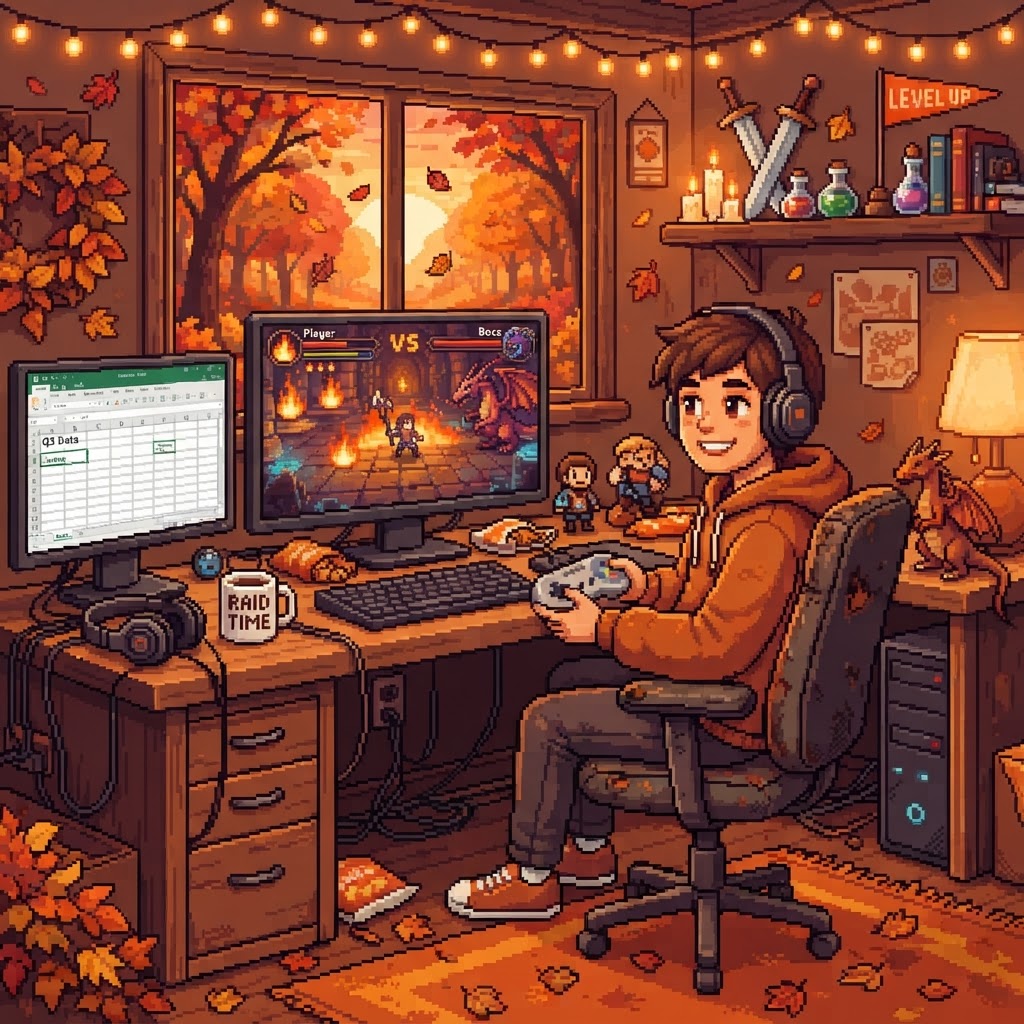
I Traded My Excel Sheet for a Controller During the Raid
If your influencer campaigns live and die by tidy dashboards, a live gaming raid can feel like a risk. I joined one expecting to monitor the numbers, then found the kind of loyalty a spreadsheet can’t manufacture.
At 8:57 p.m., I had three dashboards open and one hand on the spreadsheet. I was watching our influencer campaign’s click-through rate, checking chat sentiment, and refreshing a report that was already up to date. Everything looked orderly. That was exactly how I liked it.
Then the streamer said, “All right, we’re raiding someone new. Come with me.”
I’d approved the partnership, the messaging, and the tracking links. I knew the creator’s audience size and average watch time. I had not planned to be part of the audience myself. But the producer nudged me to join the stream, so I put on a headset, picked up a controller, and followed the raid into a channel I’d never seen before.
The part no dashboard could preview
The receiving streamer was mid-game, trying to explain a tricky boss fight while dozens of new people poured into chat. The raid brought in around 180 viewers in a few seconds. Messages stacked up too quickly to read, regulars welcomed the newcomers, and someone immediately asked whether the streamer could finally beat the boss tonight.
Our carefully prepared sponsor mention was supposed to happen after the transition. It did, in a natural, low-key way. The streamer thanked us, explained why the brand had supported the event, then got right back to the game. No polished talking points. No perfectly timed pause. Just a quick, honest acknowledgment while chat carried on around them.
I looked at my spreadsheet. It had a column for impressions, one for clicks, and a box for conversion rate. It had no column for the regular who explained the raid to newcomers, or the new viewer who stayed to watch the next attempt, or the moment the streamer laughed because chat had turned the boss fight into a running joke.
I had spent weeks trying to control how people encountered the campaign. In that channel, connection was happening faster than I could label it.
What I thought “losing control” meant
I’m not new to influencer marketing. I’ve negotiated rates, reviewed briefs, and worked through the familiar questions: Are the deliverables clear? Is the audience right? Can we measure the outcome? Those questions still matter. A raid doesn’t make planning or accountability less important.
But I realized I’d been treating control as a proxy for safety. If we could script every mention and track every response, I believed we could protect the brand. What I was really protecting was my comfort with familiar formats.
A live raid is different. The creator can guide the moment, but not choreograph every message. Viewers bring their own humor, context, and opinions. The community might get loud, distracted, or delightfully weird. That uncertainty can look like a risk when you’re used to a campaign calendar with every beat mapped out.
It can also be the reason people care.
The viewers arriving through a raid aren’t simply being shown a logo. They’re being invited into a relationship between creators and communities. They see how the streamer reacts, how regulars behave, and whether the sponsor feels like a welcome guest or an interruption. The trust is already there, built in public, one stream at a time. A brand can’t create that trust on demand, but it can choose to show up in a way that respects it.
Reach is not the same as belonging
After the stream, I went back to the numbers. The usual metrics were there, and they were useful. We could see when people arrived, how long they stayed, and whether they followed our link. But the more meaningful signal was in the conversation: people were talking about the raid, sharing the next stream time, and asking when the community would get together again.
That activity matters to a sponsor already doing creator deals. You may already know how to buy a post, brief a creator, and report a view count. A gaming raid adds a different possibility: your brand can support the moment when one community opens its door to another. You’re not just renting attention. You’re helping create an experience that viewers can participate in, remember, and choose to return to.
There’s no guarantee every raid becomes a breakout moment. Some are quieter. Some will be messy. That’s why thoughtful creator selection, clear guardrails, and a shared understanding of the sponsor’s role matter. Give creators room to sound like themselves, and give communities room to be communities. Measure what you can, then leave enough space for the things that don’t fit neatly into a cell.
I still use the spreadsheet
I didn’t throw mine away. I still want to know what worked, what didn’t, and where the budget went. I just don’t mistake a clean report for proof that an audience feels anything.
When I joined that raid, I thought my job was to watch from a safe distance and keep the experience on script. Instead, I spent a few minutes trying to survive the boss fight, laughing at chat, and realizing that the people most likely to stick around were the ones we’d been trying hardest to reach. They weren’t waiting for a perfect brand moment. They were looking for something worth joining.
If you’ve run influencer campaigns but never tried a raid, I get the hesitation. Pick a creator you trust, agree on the guardrails, and show up to the stream yourself. Bring your questions, but bring a controller too. Let the community surprise you. You might leave with a few useful numbers, and with a much better sense of the people behind them.
Ready to Join
the Raid?
Streamers earn points & rewards.
Brands get 3 months of real reach.