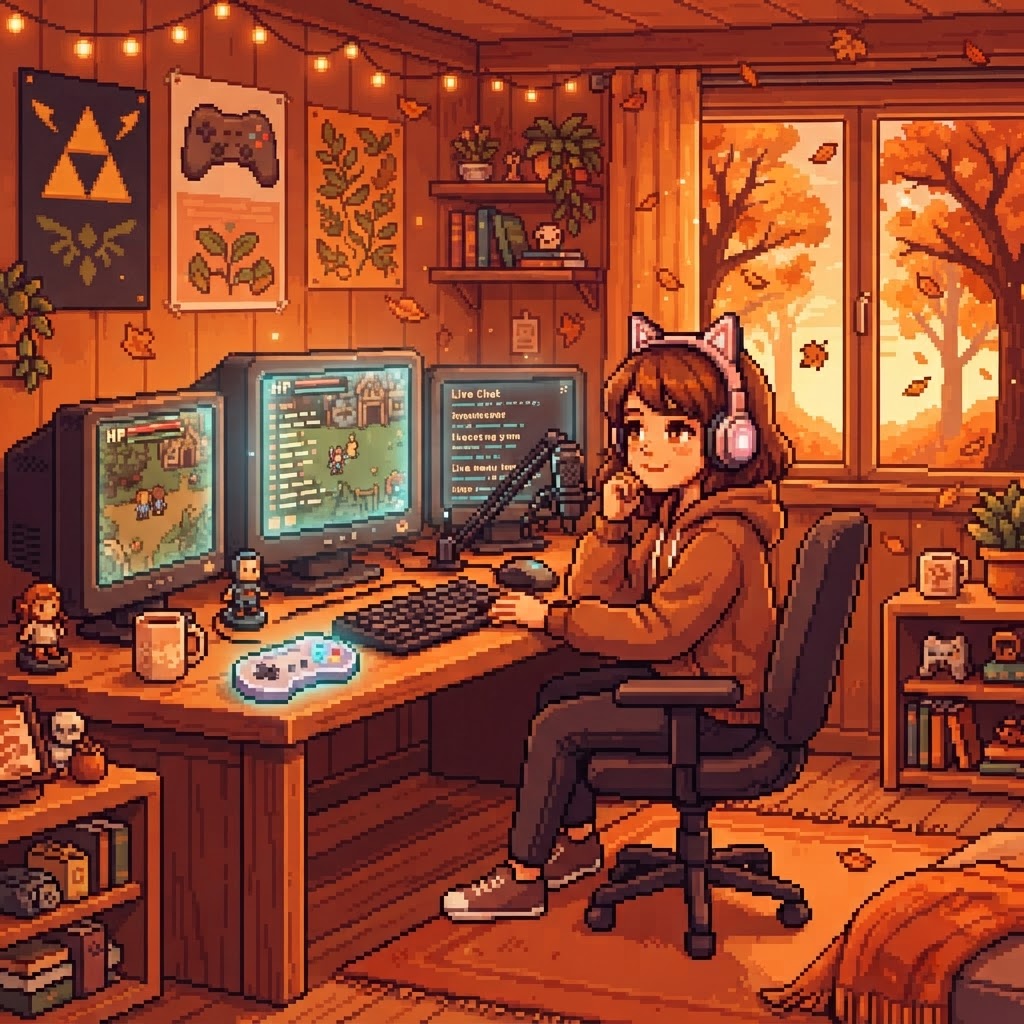
Will a Partnership Make My Chat Think I’ve Changed?
Your first brand deal doesn’t have to turn a cozy stream into an ad break. Here’s how to protect the trust you’ve built while deciding whether the Fall in Love with Gaming raid campaign feels right for your community.
You know the regulars by their usernames. You recognize the person who always asks what you’re playing next, and you know which friends show up when the stream has had a rough day. So when a brand partnership lands in your inbox, it can feel less like an opportunity and more like a test: will everyone think you’ve changed?
That worry is understandable. Your community is not just an audience; it’s a place you’ve made together. Here are honest answers to the questions creators often have before saying yes to their first collaboration.
“Will my chat think I’ve sold out?”
Not just because you worked with a brand. People tend to notice how a partnership is handled: whether it fits the stream, whether you’re upfront about it, and whether you still sound like yourself.
A single, clearly disclosed campaign segment is different from turning every conversation into a pitch. You can explain what the collaboration is, why you chose to take part, and what viewers can expect. That gives your regulars the context they need, without asking them to pretend a paid partnership isn’t paid.
Trust doesn’t require you to stay exactly where you started. It does ask you to be honest about what’s changing and what isn’t.
“What if the stream suddenly feels like an ad?”
That depends a lot on the shape of the integration. A raid campaign, for example, can connect naturally with something streamers already do: sending viewers to another creator’s channel. The Fall in Love with Gaming campaign runs from September through November 2026, so creators can consider how a campaign moment might fit into their existing schedule and raid habits rather than interrupting the whole stream.
Picture a Friday night stream winding down. You thank chat, mention the campaign plainly, then raid a creator whose game or community is a good match. The familiar ritual stays familiar. The partnership is visible, but it doesn’t need to take over the night.
Before agreeing, ask what’s required: Is there a script? How long does the segment need to be? Are there specific links or disclosures? If the expectations don’t leave room for your natural style, it’s fair to ask for adjustments or decline.
“I’m a small creator. Do I have to act more polished than I am?”
No. A close-knit community often comes to you for the opposite of polished, overly produced content: your reactions, your running jokes, the way you talk through a game. A partnership should give you clear information to share, not require you to become a different person.
You might say, “This stream includes a partnership, and I’m taking part because the raid format makes sense for how I already support other creators. I’ll tell you what’s involved, then we’ll carry on.” That’s straightforward, not stiff.
You can also set boundaries. Keep your usual stream layout. Use your own words where the agreement allows. Don’t promise that viewers will love something you haven’t tried, and don’t present a paid recommendation as spontaneous. Being a creator with a brand partner doesn’t mean you owe anyone a new persona.
“What if I feel awkward talking about money or sponsorship?”
That discomfort can be impostor syndrome dressed up as a moral objection. If you’ve spent years treating your channel as a hobby, accepting payment may feel like claiming a title you haven’t earned. But the time you put into planning, streaming, editing, moderating, and building a welcoming space has value. A first partnership doesn’t erase the genuine reasons you started creating.
You also don’t have to justify every private detail of the deal. Be transparent that the content is sponsored, follow the platform’s disclosure rules and campaign requirements, and answer reasonable questions honestly. You can keep the terms confidential while still making the relationship clear.
“How can I tell whether my community is comfortable with it?”
Don’t try to predict every reaction before you’ve said anything. Let people respond. You might mention the collaboration before the campaign segment, explain what it means for the stream, and invite questions. A viewer who asks, “Is this going to become a regular thing?” may be looking for reassurance, not trying to catch you out.
Listen without promising that nothing will ever change. You can say, “I’m trying this one, and I’ll keep being clear when something is sponsored. If anything feels off, tell me.” Then follow through. Trust grows when your actions match your words, including when you decide a partnership isn’t right for you.
“What if I decide it isn’t a fit?”
You’re allowed to say no. A campaign can be well designed and still not suit your channel, schedule, or audience. Check the deliverables, timing, creative freedom, and compensation before you commit. If you can’t participate in a way that feels honest, declining is a thoughtful choice, not a failure.
The goal isn’t to persuade every creator to take a deal. It’s to make room for partnerships that respect the communities creators have already built. The campaign is intended to work with existing stream culture, including the relationships and rituals that make a channel feel like yours.
Your viewers don’t need you to remain a hobbyist forever. They need you to keep treating them like people, not numbers, when your channel grows or earns. If you’re considering your first collaboration this autumn, talk it through with someone who knows your stream, and give yourself permission to ask the brand questions, too. What would make this feel like your stream? Start there, and let your community hear the real answer.
Ready to Join
the Raid?
Streamers earn points & rewards.
Brands get 3 months of real reach.